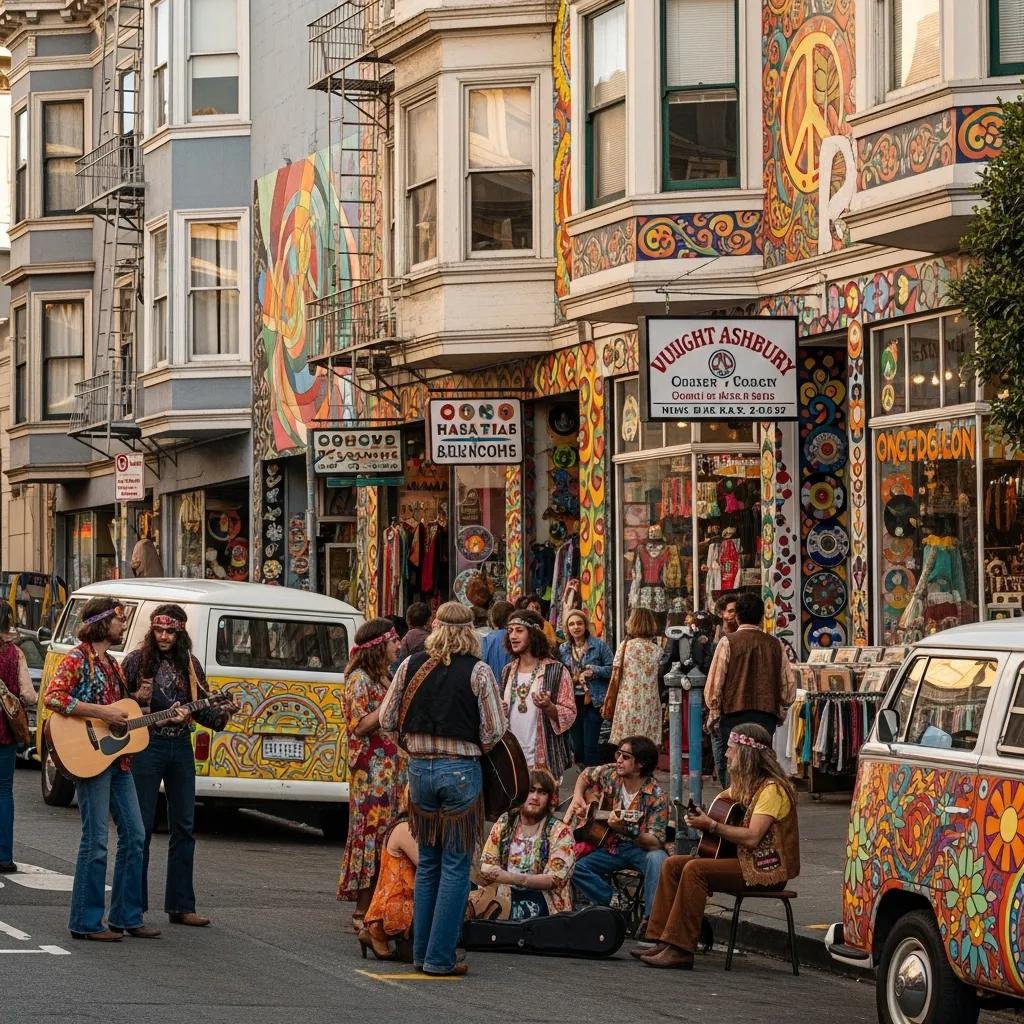
Haight Ashbury Walking Tour: Your Complete Guide to San Francisco's Hippie History and Counterculture Experience
The Haight-Ashbury neighborhood in San Francisco is a vibrant tapestry of history, culture, and counterculture that defined the 1960s. This guide will take you through the essential aspects of the Haight-Ashbury walking tour, highlighting its rich hippie history and the iconic landmarks that shaped a generation. Visitors can expect to learn about the cultural significance of this area, the key figures of the hippie movement, and the historical events that unfolded here. As you explore, you’ll discover how this neighborhood became a sanctuary for those seeking alternative lifestyles and artistic expression. This article will cover the key features of the tour, logistics, historical context, and practical tips for making the most of your experience.
Key Features of the Tour:
The Haight-Ashbury walking tour offers a unique opportunity to delve into the heart of San Francisco’s counterculture. Here are some key features:
- Historical Insights: Learn about the events that led to the rise of the hippie movement in the 1960s.
- Iconic Landmarks: Visit significant sites such as the Red Victorian Bed & Breakfast and the Grateful Dead House.
- Cultural Significance: Understand the impact of the Summer of Love and how it shaped modern culture.
Logistics:
When planning your visit to the Haight-Ashbury neighborhood, consider the following logistical details:
- Duration of the Tour: Most tours last approximately 2-3 hours, allowing ample time to explore the area.
- Accessibility Features: The tour is designed to be accessible for all participants, with routes that accommodate various mobility needs.
- Cost and Tipping Policy: Free SF Tours operates on a pay-what-you-wish model, encouraging guests to tip their guides based on their experience.
For those interested in a deeper exploration of this iconic neighborhood, booking a tour with Free SF Tour is a great option. Their knowledgeable guides provide engaging narratives that bring the history of Haight-Ashbury to life.
Why Join the Tour?
Participating in the Haight-Ashbury walking tour offers several benefits. It provides a unique opportunity to learn about the cultural and historical significance of the area in an engaging way. Visitors can connect with the stories of the past, gaining a deeper appreciation for the counterculture movement that emerged during the 1960s. The tour also fosters a sense of community, as participants share in the experience of exploring this vibrant neighborhood together.
What is the History of Haight-Ashbury and Its Role in the 1960s Hippie Movement?
Haight-Ashbury emerged as a cultural hub during the 1960s, attracting individuals seeking alternative lifestyles and artistic expression. The neighborhood became synonymous with the hippie movement, particularly during the Summer of Love in 1967, when thousands flocked to the area to celebrate peace, love, and music. This period marked a significant shift in societal norms, as young people challenged traditional values and embraced new ways of living.
The Summer of Love in 1967 was a pivotal moment that brought the counterculture into the mainstream consciousness.
1967 Summer of Love: Hippies & Haight-Ashbury Counterculture
Indeed, 1967 was the year in which the counterculture became ‘visible’ in Western society and the underground came up for air. This was to be the year of the ‘hippies,’ or the ‘flower children’ as they were also known. Hippies were predominantly middle-class youths (usually under 25 years of age) and flower power was born on west coast USA, especially the Haight-Ashbury district of San Francisco.
The Counterculture of 1967: Reflections on the ‘Summer of Love’by John Griffiths, 1967
How Did Haight-Ashbury Become the Center of San Francisco's Counterculture?
Several factors contributed to Haight-Ashbury’s prominence as the center of San Francisco’s counterculture. The neighborhood’s affordable housing attracted artists, musicians, and activists, creating a vibrant community. The influence of music and art played a crucial role, with iconic venues hosting legendary performances. Additionally, the spirit of activism and community engagement fostered a sense of belonging among residents and visitors alike.
Who Were the Key Figures of the 1960s Hippie Movement in Haight-Ashbury?
The hippie movement in Haight-Ashbury was shaped by several influential figures, including:
- Jerry Garcia: The lead guitarist of the Grateful Dead, whose music became synonymous with the counterculture.
- Janis Joplin: A powerful vocalist whose performances captured the spirit of the era.
- Allen Ginsberg: A prominent poet and activist who advocated for social change through his work.
These individuals, among others, left a lasting legacy that continues to inspire new generations.
What Landmarks and Iconic Sites Will You See on a Haight Ashbury History Tour?
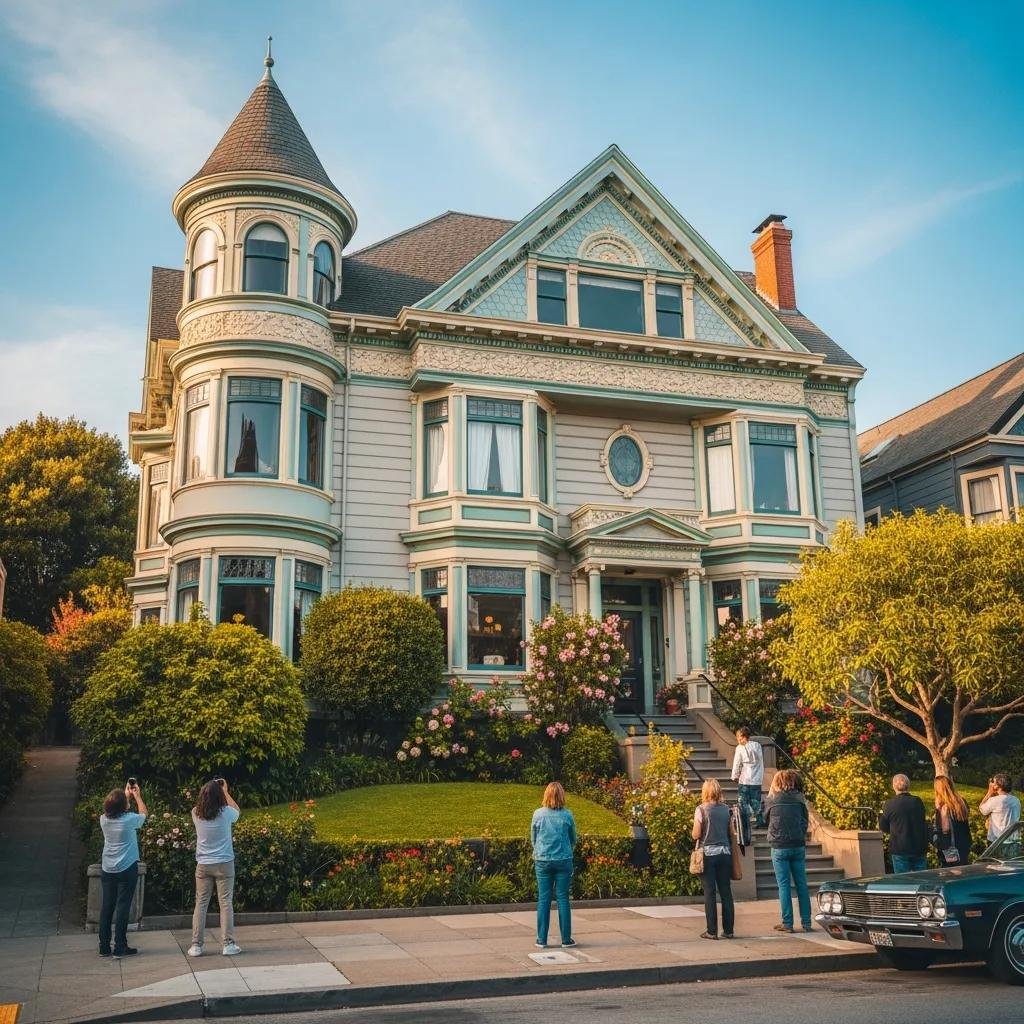
A Haight-Ashbury history tour includes visits to several significant sites, such as:
- Red Victorian Bed & Breakfast: A historic inn that served as a gathering place for artists and activists.
- Grateful Dead House: The former home of Jerry Garcia, now a symbol of the music and culture of the era.
- Haight Street Shops: Unique boutiques and shops that reflect the neighborhood’s artistic spirit.
Which Historic Locations Define the Haight-Ashbury Neighborhood?
The Haight-Ashbury neighborhood is characterized by its rich history and cultural landmarks. Key locations include:
- The Doolan-Larson House: A historic residence that showcases Victorian architecture.
- The former site of the Fillmore Auditorium: A legendary venue that hosted many iconic performances.
- The Haight-Ashbury Free Medical Clinic: Established to provide healthcare to the community during the counterculture movement.
Among the vital institutions that emerged to support the community, the Haight Ashbury Free Clinic played a foundational role in providing essential services.
Haight Ashbury Free Clinic: 1967 Counterculture Healthcare
The Haight Ashbury Free Clinic (HAFC) in San Francisco was the flagship of the Free Clinic movement and has provided medical, addiction, and housing services to low income individuals for over 35 years. Rapidly after its inception in 1967, the clinic achieved notoriety for its innovative services to the community, particularly to those most in need.
Reflections on lost opportunities at the Haight Ashbury free clinic: Lessons for progressive non-profit organizations, DL Polcin, 2007
How Do These Landmarks Reflect the Spirit of the 1960s Counterculture?
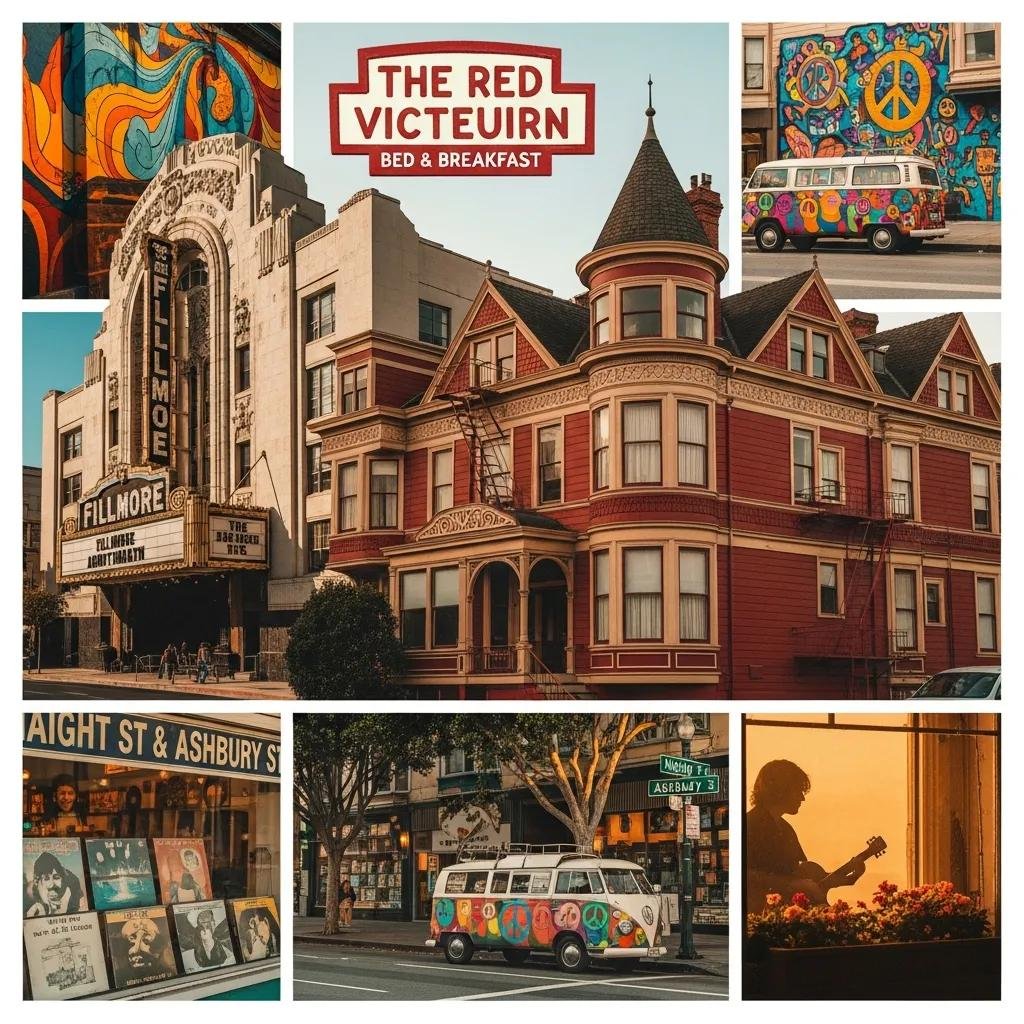
The landmarks in Haight-Ashbury embody the ideals of the 1960s counterculture through their historical significance and cultural relevance. Each site tells a story of resistance, creativity, and community. For instance, the Grateful Dead House represents the fusion of music and activism, while the Red Victorian Bed & Breakfast serves as a reminder of the communal living that defined the era. These locations continue to inspire visitors to embrace the values of peace, love, and artistic expression.
How Can You Book and What Should You Expect on a Free Walking Tour in San Francisco?
Booking a free walking tour in San Francisco is straightforward. Visitors can reserve their spot online through the Free SF Tour website. Expect an engaging experience led by knowledgeable guides who share captivating stories about the neighborhood’s history and culture. Participants are encouraged to ask questions and interact with the guide, enhancing the overall experience.
What Are the Booking Options and Tip Policies for Free SF Tours?
Free SF Tours operates on a pay-what-you-wish model, allowing guests to contribute based on their experience. This flexible approach makes the tours accessible to everyone, regardless of budget. Tipping is encouraged, as it directly supports the guides who provide valuable insights and stories throughout the tour.
What Should Visitors Know About Tour Duration and Guide Experience?
The duration of the Haight-Ashbury walking tour typically ranges from 2 to 3 hours. Guides are well-versed in the history and culture of the neighborhood, often possessing backgrounds in history, art, or cultural studies. Their expertise enhances the tour experience, providing visitors with a deeper understanding of the area.
What Tips Help Visitors Enjoy the Haight Ashbury Hippie History Tour on a Budget?
To make the most of your Haight-Ashbury experience on a budget, consider the following tips:
- Wear Comfortable Footwear: The tour involves walking, so comfortable shoes are essential.
- Stay Hydrated: Bring a water bottle to keep hydrated during the tour.
- Engage with Guides: Don’t hesitate to ask questions and share your thoughts with the guide.
These tips will help ensure a rewarding and enjoyable experience while exploring the rich history of Haight-Ashbury.
How Can You Maximize Your Experience with Budget Travel and Tipping Etiquette?
Maximizing your experience on a budget involves planning ahead and being mindful of tipping etiquette. Consider researching the tour beforehand to familiarize yourself with the key sites and stories. When it comes to tipping, a general guideline is to tip based on the quality of the experience, typically between 10-20% of what you would pay for a similar guided tour.
What Are the Best Practices for Engaging with Local Guides and Cultural Stories?
Engaging with local guides enhances the tour experience significantly. Here are some best practices:
- Be Open to Learning: Approach the tour with curiosity and a willingness to absorb new information.
- Participate Actively: Share your thoughts and experiences, fostering a dialogue with the guide and other participants.
- Respect Cultural Narratives: Acknowledge the significance of the stories being shared and the history of the neighborhood.
By following these practices, visitors can deepen their understanding of Haight-Ashbury’s rich cultural heritage and contribute to a more meaningful experience for everyone involved.