San Francisco Chinatown: 5 Fun Facts & Complete Visitor Guide
San Francisco Chinatown: 5 Fun Facts & Complete Visitor Guide for Walking Tours and Cultural Exploration
By Filip Lazarevski, Free SF Tour
San Francisco’s Chinatown is a vibrant cultural enclave that offers a unique blend of history, tradition, and modernity. This guide will delve into the fascinating aspects of Chinatown, providing insights into its rich heritage and the various experiences it offers to visitors. From its status as the oldest Chinatown in North America to the bustling streets filled with shops and eateries, this article will highlight five fun facts that make this neighborhood a must-visit. Additionally, we will explore recommendations for walking tours that allow you to immerse yourself in the local culture and history. Whether you’re a first-time visitor or a seasoned traveler, this guide will enhance your understanding and appreciation of Chinatown.
The historical significance of San Francisco’s Chinatown as the oldest in North America is further underscored by its complex journey through heritage preservation and identity politics.
San Francisco Chinatown: North America’s First & Heritage Preservation
Presumed to be the first Chinatown in the North America, San Francisco’s Chinatown is of great significance in the Chinese immigration history. Moreover, it presents an interesting case that reveals conflicting ideas about historic preservation, heritage, and identity politics. An examination of the effort to preserve the architectural integrity of San Francisco’s Chinatown in the 1940s and a government-led proposal to designate Chinatown as a historic district in the 1980s reveals the discontinuity and ambiguity in the heritage discourse and its associated collective memory. The ways that historic preservation was feared, resisted, or celebrated by the various stakeholders show that preservation can be a real challenge. At stake was the preservation of the city neighborhood as a heritage site and an inscription of memory, or maintaining it as a vital place evolving to incorporate the everyday activities pursued by its inhabitants.
The politics and heritage of race and space in San Francisco’s
Chinatown, C Li, 2011
Comprehensive Guide to San Francisco Chinatown
San Francisco’s Chinatown is not just a neighborhood; it is a cultural landmark that reflects the resilience and creativity of the Chinese-American community. Established in the mid-19th century, it has grown to become the largest Chinatown outside of Asia. The area is characterized by its distinctive architecture, vibrant markets, and a plethora of restaurants offering authentic Chinese cuisine. Visitors can explore historical sites, participate in cultural festivals, and enjoy the unique atmosphere that this bustling district provides. Understanding the significance of Chinatown is essential for anyone looking to appreciate its cultural depth and historical context.
Five Fun Facts
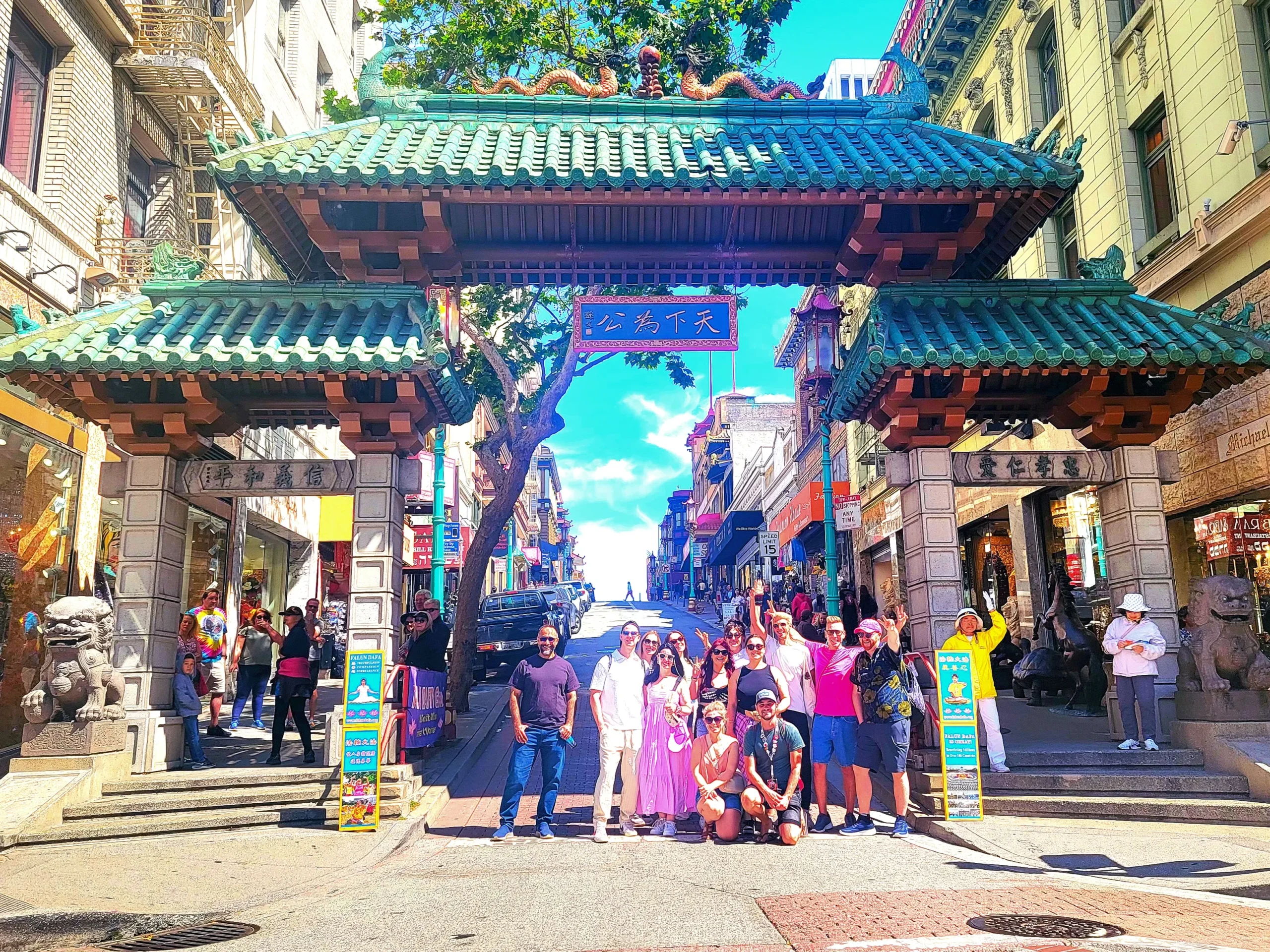
Chinatown is filled with intriguing stories and facts that highlight its unique character. Here are five fun facts that every visitor should know:
- Oldest Chinatown in North America: Established in 1848, San Francisco’s Chinatown is the oldest and one of the most famous Chinatowns in the world.
- Cultural Hub: It serves as a cultural center for Chinese-Americans, hosting numerous festivals, including the famous Chinese New Year celebrations.
- Architectural Heritage: The neighborhood features traditional Chinese architecture, including the iconic Chinatown Gate, which welcomes visitors into this vibrant community.
- Fortune Cookie Factory: Home to one of the first fortune cookie factories, visitors can witness the production of these iconic treats.
- Historical Significance: Chinatown has played a crucial role in the history of Chinese immigration to the United States, serving as a refuge and community center for generations.
Recommendations for Walking Tours
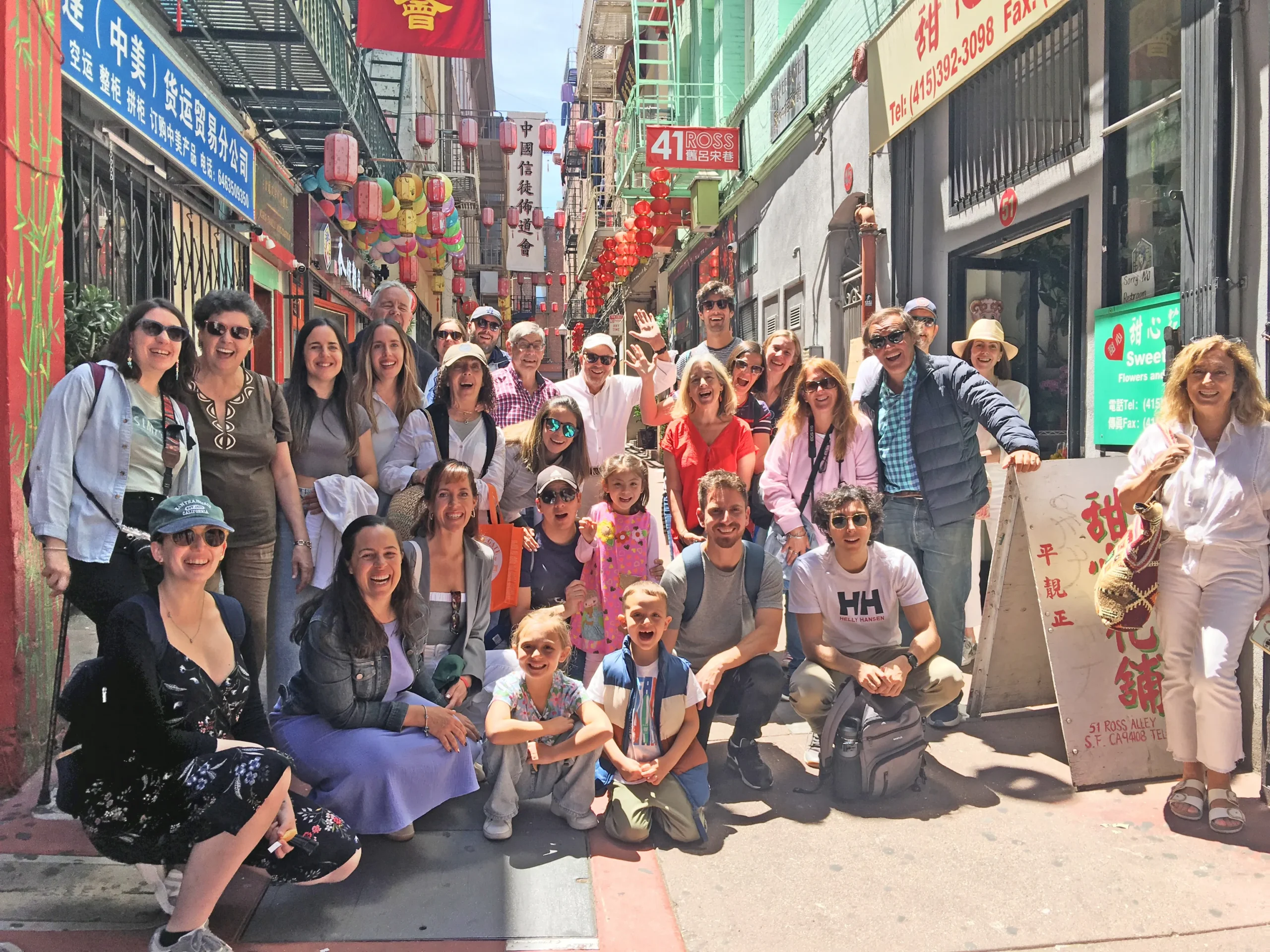
Exploring Chinatown on foot is one of the best ways to experience its rich culture and history. Here are some recommended walking tours that provide unique insights into the neighborhood:
For those interested in a more immersive experience, consider joining a free walking tour offered by local guides. These tours often provide valuable insights into the history and culture of Chinatown, making them an excellent option for visitors.
How Do Free Walking Tours in San Francisco Chinatown Work? Booking, Tips, and Tour Guide Insights
Free walking tours in Chinatown typically operate on a tip-based model, allowing visitors to pay what they feel the tour was worth. These tours cover various aspects of Chinatown, including its history, culture, and culinary delights. To join a free walking tour, visitors can check local listings or websites dedicated to San Francisco tourism. It’s advisable to arrive early to secure a spot, as these tours can fill up quickly, especially during peak tourist seasons.
What Is the Recommended Tipping Etiquette for Tour Guides?
When participating in a free walking tour, it’s customary to tip the guide based on your experience. A general guideline is to tip between $10 to $20 per person, depending on the quality of the tour and your budget. Tipping is a way to show appreciation for the guide’s knowledge and effort in providing an engaging experience.
Insights for Cultural Exploration
Engaging with the local culture in Chinatown can be a rewarding experience. Visitors are encouraged to participate in cultural events, such as the Chinese New Year celebrations, which feature parades, lion dances, and traditional performances. Exploring traditional shops and markets is also a great way to immerse yourself in the local culture. Be sure to try authentic dishes like dim sum and Peking duck at local restaurants, which offer a taste of the culinary heritage of the Chinese community.
What Makes San Francisco Chinatown Unique? Discover Its Rich History and Culture
San Francisco Chinatown stands out due to its rich history and cultural significance. It is a living testament to the struggles and triumphs of the Chinese-American community. The neighborhood’s architecture, festivals, and culinary offerings reflect a blend of traditional Chinese culture and American influences. This unique fusion creates an atmosphere that is both familiar and exotic, making it a fascinating destination for visitors.
How Did Chinatown in San Francisco Develop Over Time?
The development of Chinatown in San Francisco is closely tied to the history of Chinese immigration to the United States. Initially established as a settlement for Chinese laborers during the Gold Rush, it has evolved into a vibrant community that preserves its cultural heritage while adapting to modern influences. Over the years, Chinatown has faced challenges, including discrimination and economic hardship, but it has remained a resilient and thriving community.
Among the significant challenges faced by Chinatown, the 1906 San Francisco earthquake stands out as a pivotal event that shaped its narrative and resilience.
San Francisco Chinatown: 1906 Earthquake & Historical Narratives
This chapter seeks to show how this call for unity intervenes into an established discourse that has framed America’s biggest urban disaster as a ‘Chinese issue’. This ethnic othering of a seismic phenomenon is closely connected to the writings by and about Donaldina Cameron (1869–1868), a Presbyterian missionary who famously fought against forced prostitution in the pre-earthquake San Francisco ‘Chinatown.’ This ethnicized narrative about the destruction of what was, essentially, a ghetto, came to replace the stories of collective survival and shared suffering that dominated the journalistic reports of the immediate post-earthquake era.
‘Chinatown’Aftershock: Reimagining Urban Resilience after the San Francisco Earthquake, 2025
This continuous evolution, even through major disasters, illustrates how the community has steadily shifted from a mere enclave to a powerful symbol for Chinese Americans.
San Francisco Chinatown: From Enclave to Community Symbol
community slowly shifting from an enclave to a symbol for the Chinese American community
The Historical Journey of San Francisco Chinatown’s Urban Resilience
What Are the Key Historical Landmarks to Visit in Chinatown?
- Chinatown Gate: The iconic entrance to Chinatown, symbolizing the neighborhood’s cultural heritage.
- Fortune Cookie Factory: A must-visit for those interested in the history of this beloved treat.
- Chinese Historical Society of America: A museum dedicated to preserving and sharing the history of Chinese-Americans.
These landmarks provide valuable insights into the history and culture of Chinatown, making them essential stops for any visitor.
What Are 5 Fun Facts About San Francisco Chinatown You Should Know?
In addition to the previously mentioned fun facts, here are five more intriguing aspects of Chinatown:
- Cultural Festivals: Chinatown hosts numerous cultural festivals throughout the year, celebrating traditions and heritage.
- Art and Murals: The neighborhood features vibrant murals that depict the history and culture of the Chinese community.
- Shopping: Visitors can find unique shops selling traditional Chinese goods, including tea, herbs, and souvenirs.
- Community Resilience: Despite facing challenges, the community has shown remarkable resilience and continues to thrive.
- Culinary Diversity: Beyond traditional Chinese cuisine, Chinatown offers a variety of dining options, including fusion and modern interpretations of classic dishes.
How Do These Fun Facts Reflect Chinatown’s Cultural Heritage?
The fun facts about Chinatown highlight the neighborhood’s rich cultural heritage and the contributions of the Chinese-American community. Each fact reflects the resilience, creativity, and vibrancy of the culture, showcasing how it has evolved while maintaining its roots. Understanding these aspects enhances the visitor experience, allowing for a deeper appreciation of the neighborhood’s significance.
Why Are These Facts Important for Visitors?
These facts are essential for visitors as they provide context and understanding of the cultural landscape of Chinatown. By learning about its history and significance, visitors can engage more meaningfully with the community and its offerings. This knowledge fosters respect and appreciation for the cultural traditions that have shaped Chinatown into the vibrant destination it is today.
Which Top Attractions and Things To Do in Chinatown SF Should Visitors Explore?
- Chinatown Gate: A stunning architectural feature that marks the entrance to the neighborhood.
- Fortune Cookie Factory: Experience the production of fortune cookies and sample fresh ones.
- Chinese Historical Society of America: Learn about the history and contributions of Chinese-Americans through exhibits and programs.
These attractions provide a glimpse into the rich tapestry of Chinatown’s history and culture, making them must-see destinations for any visitor.
What Are Must-See Cultural and Historical Sites in Chinatown?
- Tin How Temple: A historic temple dedicated to the goddess of the sea, offering insight into Chinese spiritual practices.
- Waverly Place: A charming street lined with shops and restaurants, showcasing the neighborhood’s vibrant atmosphere.
- Chinese Culture Center: A cultural hub that hosts events and exhibitions celebrating Chinese heritage.
These sites contribute to the overall understanding of Chinatown’s cultural significance and provide opportunities for deeper engagement with the community.
Where Can You Experience Authentic Food and Dining in Chinatown?
- Dim Sum Restaurants: Enjoy a variety of small dishes served in steamer baskets, perfect for sharing.
- Szechuan Cuisine: Experience the bold flavors and spices characteristic of Szechuan dishes.
- Traditional Bakeries: Sample freshly baked goods, including mooncakes and egg tarts.
These dining experiences allow visitors to savor the rich flavors and culinary traditions of the Chinese community.
Safety and Accessibility Tips for Walking Tours in Chinatown
- Wear Comfortable Shoes: The streets can be uneven, so comfortable footwear is recommended.
- Stay Hydrated: Bring water, especially during warmer months, to stay refreshed.
- Engage with Guides: Don’t hesitate to ask your tour guide questions; they can provide valuable insights and recommendations.
By following these tips, visitors can ensure a safe and enjoyable exploration of Chinatown.
Where Can You Find Additional Resources and Visitor Testimonials About Chinatown Tours?
- Visitor Centers: Local visitor centers provide brochures and information about Chinatown tours and attractions.
- Online Reviews: Websites and forums offer testimonials from previous visitors, sharing their experiences and recommendations.
- Cultural Organizations: Organizations dedicated to preserving Chinese culture often provide resources and information about events and tours.
These resources can help visitors plan their trip and make the most of their time in Chinatown.
What Do Recent Visitors Say About Their Chinatown Walking Tour Experiences?
Recent visitors have shared positive feedback about their walking tour experiences in Chinatown. Many highlight the knowledgeable guides who provide engaging narratives about the neighborhood’s history and culture. Visitors appreciate the opportunity to sample authentic cuisine and learn about local traditions. Overall, these tours are praised for their informative and enjoyable nature, making them a popular choice for those exploring Chinatown.
Which Official Guides and Maps Enhance Your Chinatown Visit?
To navigate Chinatown effectively, consider using official guides and maps that provide detailed information about attractions and walking routes. These resources can enhance your visit by offering insights into the history and significance of various sites. Additionally, many guides include tips for dining and shopping, ensuring a well-rounded experience in this vibrant neighborhood.