

The Best Ways to Explore San Francisco on Foot: Walking Routes, Hidden Gems, and Neighborhood Guides
Exploring San Francisco on foot offers a unique opportunity to immerse yourself in the city’s vibrant culture, stunning landscapes, and rich history. This guide will provide you with the best walking routes, highlight hidden gems, and offer insights into various neighborhoods, ensuring you make the most of your walking experience. Whether you’re a local or a visitor, walking in San Francisco allows you to discover the city’s charm at your own pace. From iconic landmarks like the Golden Gate Bridge to the eclectic streets of Haight-Ashbury, this article will help you navigate the best paths to take. We will cover free walking tours, self-guided options, and essential tips for an enriching experience, making your exploration both enjoyable and memorable.
Free Walking Tours
Free walking tours are an excellent way to explore San Francisco without breaking the bank. These tours typically cover major attractions and provide insights into the city’s history and culture. Participants can enjoy guided experiences led by knowledgeable locals who share their passion for the city. To join a free walking tour, simply find a reputable provider, show up at the designated meeting point, and enjoy the journey. It’s customary to tip your guide based on your experience, which helps support their work.
For those interested in booking a free walking tour, Free SF Tour offers a variety of options that cater to different interests and areas of the city.
Self-Guided Tours
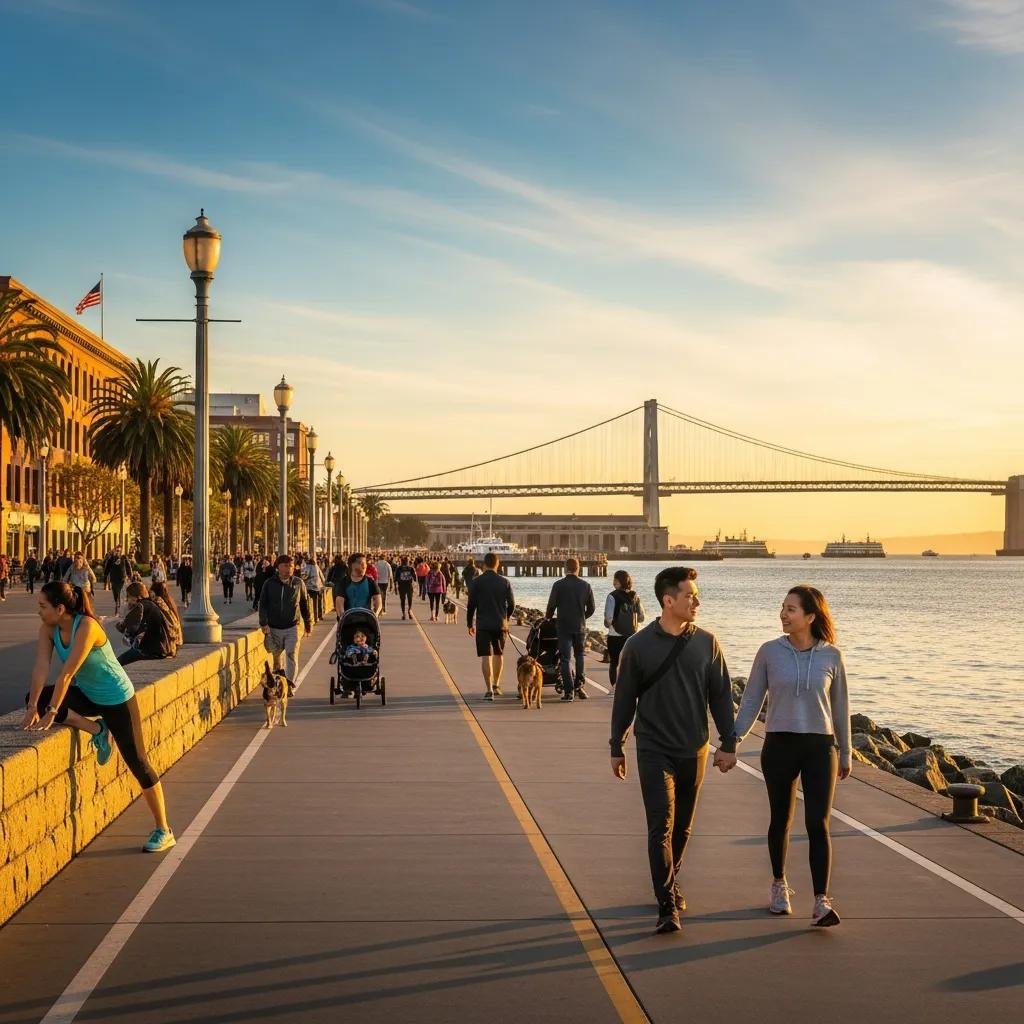
Self-guided tours allow you to explore San Francisco at your own pace, making them a flexible option for travelers.
The rise of digital tools further enhances this flexibility, offering new ways to navigate and experience urban environments independently.
Digital Self-Guided Tours for Urban Exploration
This paper investigates the role of digital self-guided tours in terms of congestion, route completion, and supporting decentralized, walking-based exploration within urban tourism, aligning with smart city perspectives and sustainable development goals.
Modeling Sustainable Urban Tourism with Digital Self-Guided Tours: A Smart City Perspective, A Predescu, 2025
Popular self-guided walking routes include:
- The Embarcadero: This scenic waterfront path takes you from the Ferry Building to Fisherman’s Wharf, showcasing stunning views of the Bay Bridge and the waterfront.
- Chinatown: Explore the vibrant streets of one of the largest Chinatowns outside Asia, filled with shops, restaurants, and cultural landmarks.
- Golden Gate Park: Wander through this expansive park, home to gardens, museums, and beautiful landscapes, perfect for a leisurely stroll.
These routes provide a mix of iconic sights and local experiences, making them ideal for anyone looking to discover the city on foot.
Neighborhood Tours
San Francisco is known for its diverse neighborhoods, each with its own unique character and attractions. Some must-see neighborhoods for walking tours include:
- Mission District: Famous for its vibrant murals and delicious food scene, the Mission is a cultural hub that reflects the city’s Latino heritage.
- Haight-Ashbury: Known for its role in the 1960s counterculture movement, this neighborhood is filled with vintage shops, cafes, and historic sites.
- North Beach: San Francisco’s Little Italy, North Beach is home to charming streets, Italian restaurants, and the iconic Coit Tower.
Exploring these neighborhoods on foot allows you to appreciate their distinct cultures and histories while enjoying local cuisine and art.
Indeed, walking tours are often lauded for their ability to reveal the true essence of a city’s public culture and historical narrative.
Urban Walking Tours: Neighborhoods & History
Public spaces are the primary site of public culture; they are a window into the city’s soul. As such, walking tours often provide insights from historical facts about New York City neighborhoods, immigration patterns, and landmarks.
The tour guide: Walking and talking New York, JR Wynn, 2011
Tips for an Enriching Experience
To enhance your walking tour experience in San Francisco, consider the following tips:
- Dress Comfortably: Wear comfortable shoes and clothing suitable for walking, as you’ll be on your feet for extended periods.
- Stay Hydrated: Bring a water bottle to stay hydrated, especially on warmer days.
- Engage with Your Guide: If you’re on a guided tour, don’t hesitate to ask questions and engage with your guide for a more enriching experience.
These simple tips can significantly improve your overall enjoyment while exploring the city.
What Are the Top Walking Routes in San Francisco?
San Francisco boasts numerous walking routes that showcase its beauty and history. Here are some of the top routes to consider:
- The Golden Gate Bridge: Walk across this iconic landmark for breathtaking views of the bay and city skyline.
- Lombard Street: Known as the “crookedest street in the world,” this famous street features eight sharp turns and beautiful gardens.
- The Presidio: This former military base offers scenic trails, historic sites, and stunning views of the Golden Gate Bridge.
Which landmarks and neighborhoods do popular routes cover?
Popular walking routes in San Francisco cover a variety of landmarks and neighborhoods, including:
These routes provide a comprehensive experience of San Francisco’s diverse offerings, making them ideal for both tourists and locals.
How Can You Discover Hidden Gems on San Francisco Walking Tours?
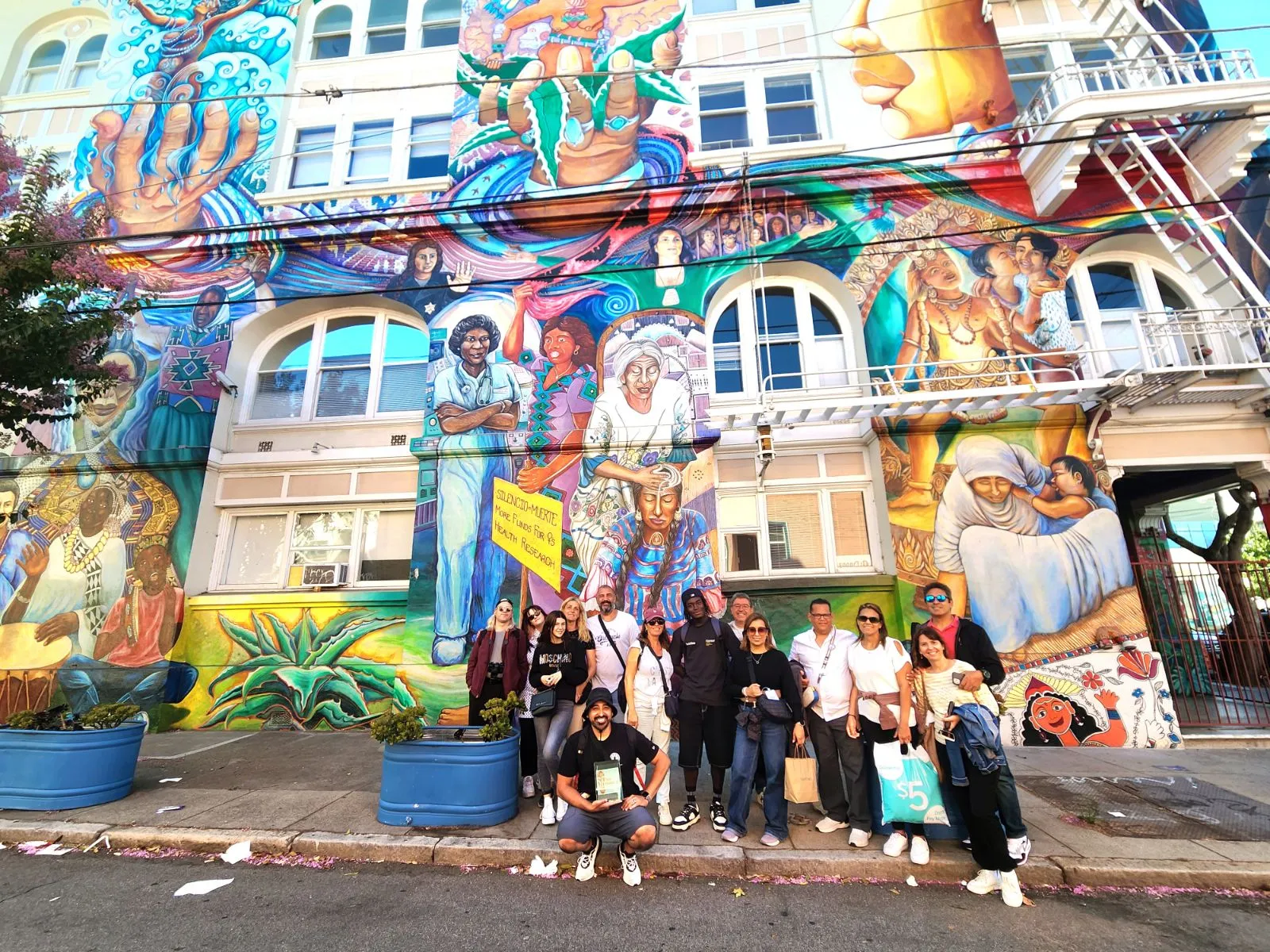
Discovering hidden gems in San Francisco can elevate your walking tour experience. Here are some strategies to uncover these lesser-known spots:
- Ask Locals: Engaging with local residents can lead you to unique cafes, shops, and parks that may not be on typical tourist maps.
- Explore Side Streets: Venture off the main paths to find charming alleyways, street art, and local markets.
- Join Themed Tours: Consider joining tours focused on specific themes, such as food, history, or art, to discover hidden gems related to those interests.
These approaches can help you uncover the city’s secrets and enrich your exploration.
What unique cultural and historical sites are included?
San Francisco is rich in cultural and historical sites that are often included in walking tours. Some notable sites are:
- The Painted Ladies: These iconic Victorian houses are a symbol of San Francisco’s architectural heritage.
- Chinatown’s Dragon Gate: The entrance to Chinatown, this gate represents the cultural significance of the area.
- Alamo Square: Known for its picturesque park and views of the city skyline, this area is a popular spot for both locals and tourists.
These sites provide insight into the city’s diverse history and cultural landscape.
How do local guides enhance the hidden gems experience?
Local guides play a crucial role in enhancing the experience of discovering hidden gems. They offer:
- Personalized Insights: Guides can share stories and anecdotes that bring the city’s history to life.
- Engaging Storytelling: A good guide will weave narratives that connect you to the places you visit, making the experience more memorable.
- Safety and Confidence: Having a knowledgeable guide can provide a sense of security, especially in unfamiliar areas.
Their expertise can transform a standard walking tour into a rich, immersive experience.
What Should You Know About San Francisco Neighborhood Guides?
Neighborhood guides are invaluable resources for anyone looking to explore San Francisco on foot. They provide:
- Characteristics of Each Neighborhood: Guides highlight the unique features and cultural significance of different areas.
- Key Attractions: They point out must-see sites and hidden gems that you might otherwise miss.
- Local Recommendations: Guides often share their favorite restaurants, shops, and activities, giving you insider knowledge.
Utilizing neighborhood guides can enhance your walking experience and help you navigate the city’s diverse offerings.
How do neighborhood guides highlight distinct local cultures?
Neighborhood guides excel at showcasing the distinct cultures found throughout San Francisco. They do this by:
- Providing Historical Context: Guides often share the history of neighborhoods, explaining how cultural influences have shaped them.
- Highlighting Local Events: Many guides inform visitors about festivals, markets, and events that celebrate local culture.
- Encouraging Interaction: Guides may suggest ways to engage with local residents, fostering a deeper understanding of the community.
This cultural immersion enriches your walking tour and creates a more meaningful experience.
Which neighborhoods are must-see for walking tours?
Several neighborhoods in San Francisco are particularly noteworthy for walking tours:
- Chinatown: A bustling area filled with shops, restaurants, and cultural landmarks.
- North Beach: Known for its Italian heritage, this neighborhood offers charming streets and delicious cuisine.
- The Castro: A historic LGBTQ+ neighborhood with vibrant nightlife and cultural significance.
Exploring these neighborhoods on foot allows you to appreciate their unique characteristics and contributions to the city’s identity.
How Do Free Walking Tours in San Francisco Work?
Free walking tours operate on a simple premise: participants are invited to join a guided tour without an upfront fee. Instead, tips are encouraged based on the quality of the experience. These tours typically last around two to three hours and cover major attractions and hidden gems alike.
What is included in a free walking tour experience?
A free walking tour experience generally includes:
- Guided Exploration: Knowledgeable guides lead participants through key areas, sharing insights and stories.
- Cultural Context: Tours often provide historical and cultural context about the sites visited.
- Interaction Opportunities: Participants are encouraged to ask questions and engage with the guide for a more enriching experience.
This format allows for a flexible and informative exploration of the city.
How do you book and tip guides for free tours?
Booking a free walking tour is typically straightforward. Most providers allow you to sign up online or simply show up at the meeting point. When it comes to tipping, it’s customary to give what you feel the tour was worth, with many participants opting to tip between $10 to $20 per person, depending on the experience.
What Are Essential Tips for Planning Your San Francisco Walking Tour?
Planning your walking tour in San Francisco can enhance your experience significantly. Here are some essential tips:
- Route Selection: Choose routes that align with your interests, whether it’s history, food, or scenic views.
- Timing Considerations: Plan your tour during times when attractions are less crowded for a more enjoyable experience.
- Safety Tips: Stay aware of your surroundings and stick to well-lit areas, especially in the evening.
These tips can help ensure a safe and enjoyable walking experience.
How to prepare for route length, difficulty, and weather?
Preparation is key to a successful walking tour. Consider the following:
- Route Length: Be aware of the distance you’ll be walking and choose routes that match your fitness level.
- Difficulty Levels: Some routes may include steep hills or uneven terrain, so choose accordingly.
- Weather Preparation: Check the forecast and dress appropriately for the conditions, bringing layers if necessary.
Being prepared can make your walking tour more enjoyable and comfortable.
What safety and accessibility considerations should you know?
When planning your walking tour, keep these safety and accessibility considerations in mind:
- Safety Tips: Always stay aware of your surroundings and avoid isolated areas, especially at night.
- Accessibility Considerations: Some routes may not be wheelchair accessible, so check ahead if needed.
- Group Size Recommendations: Smaller groups often have a more enjoyable experience, allowing for better interaction with guides.
These considerations can help ensure a safe and enjoyable walking experience.
Where Can You Find Interactive Maps and Visual Guides for San Francisco Walks?
Interactive maps and visual guides can greatly enhance your walking tour experience. Here are some resources to consider:
- Mobile Apps: Many apps provide interactive maps that highlight walking routes and points of interest.
- Printed Maps: Local visitor centers often offer free printed maps that detail popular walking routes.
- Online Resources: Websites dedicated to San Francisco tourism frequently provide downloadable maps and guides.
Utilizing these resources can help you navigate the city more effectively.
How do annotated maps enhance your walking tour experience?
Annotated maps can significantly enhance your walking tour experience by providing:
- Key Features: Maps often highlight important landmarks, making it easier to navigate.
- Impact on Navigation: Clear annotations help you understand the layout of the area and plan your route effectively.
- Enhancing Discovery: Maps can point out hidden gems and lesser-known attractions that you might miss otherwise.
Using annotated maps can lead to a more enriching and enjoyable exploration of San Francisco.
What photo galleries and videos showcase San Francisco’s highlights?
Visual content can provide inspiration and context for your walking tour. Consider exploring:
- Photo Galleries: Many websites feature galleries showcasing iconic landmarks and neighborhoods in San Francisco.
- Videos: Travel vlogs and documentaries can offer insights into the city’s culture and attractions.
- User-Generated Content: Social media platforms often have posts from visitors sharing their experiences and favorite spots.
These resources can help you plan your walking tour and discover what to expect along the way.