Seven San Francisco neighborhoods earn an afternoon of your trip: North Beach with Coit Tower, the Mission with Dolores Park and the Clarion Alley murals, the Castro along 18th Street, Haight-Ashbury, Hayes Valley, the Marina for Golden Gate Bridge views, and Golden Gate Park. Spend the morning on the free downtown walking tour from Union Square, then pick one of these for the afternoon.
Key Takeaways
- Union Square serves as a practical starting point for a morning walking tour of the downtown core.
- The Golden Gate Fortune Cookie Factory in Ross Alley folds cookies by hand on a cast-iron rotating griddle.
- North Beach and Chinatown sit directly adjacent, making a combined visit practical and efficient.
- The Mission District anchors its appeal in deep Latin-American cultural heritage and a warm microclimate.
Which San Francisco neighborhoods are worth visiting?
San Francisco rewards visitors with neighborhoods that each carry a distinct culture and charm. The city is compact and convenient public transit lets travelers explore multiple districts quickly. Missing this layered experience means leaving the city with only a postcard view of its surface.
A solid San Francisco neighborhoods guide helps travelers prioritize districts that match their interests. The corridor connecting the Castro, Haight, and Mission alone packs three radically different atmospheres into a few square miles.
What makes San Francisco’s neighborhoods so easy to explore?
The city’s geography does the heavy lifting. San Francisco is compact, and its public transit network connects most major districts quickly. Visitors can start a morning in one neighborhood and reach a completely different cultural zone by early afternoon.
Which neighborhoods should first-time visitors prioritize?
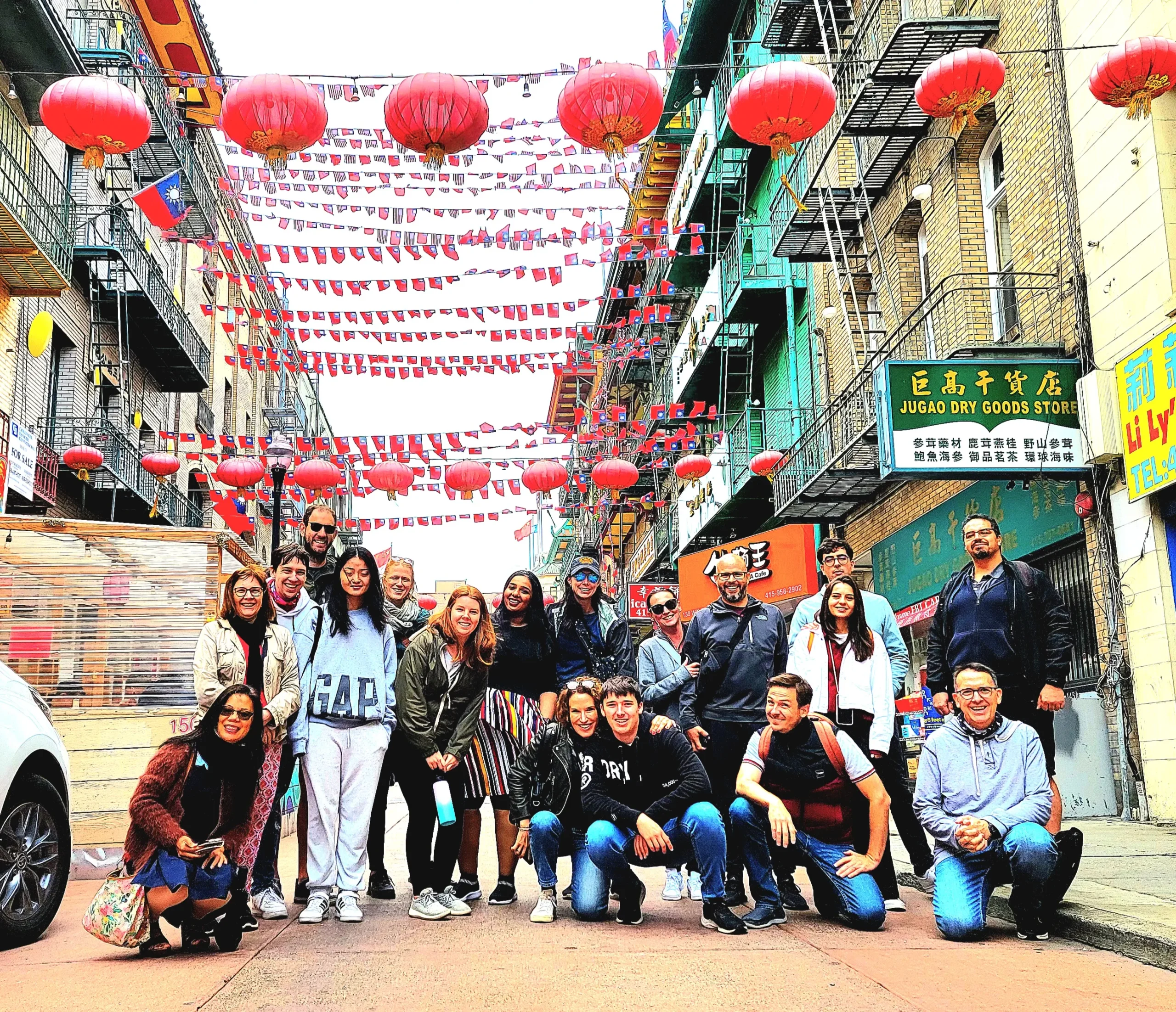
A practical starting point is the daily walking tour that Free SF Tour operates from Union Square at 10:00 AM. The route moves through Union Square, Chinatown, the Transamerica Pyramid, and the Embarcadero before ending near the Ferry Building. This morning orientation gives guests a working mental map of the downtown core. From there, afternoon exploration becomes far more efficient.
Travelers who want to explore San Francisco on foot find that walking routes connect neighborhoods in ways that buses and streetcars miss. The transition from North Beach’s Italian cafes to Chinatown’s lantern-lit alleys happens in a single block. These subtle shifts define the city’s character more than any single landmark.
The Mission District’s mural-lined alleys sit just a short ride from the Castro’s rainbow crosswalks and historic theater. Haight-Ashbury’s vintage storefronts add a third layer of counterculture history. Each neighborhood tells a different chapter of the same city, and the distances between them are measured in minutes rather than hours.
What makes North Beach and Chinatown essential stops?
North Beach and Chinatown deliver two distinct cultural worlds within a few walkable blocks. North Beach stands as San Francisco’s historic Italian neighborhood, famous for its cafe culture and beat-generation roots. Chinatown offers the sensory intensity of a historic Chinese community, where handcraft traditions survive in narrow alleys. Travelers who skip these adjacent districts miss the city’s deepest immigrant stories.
How do visitors experience North Beach’s Italian heritage?
North Beach earned its identity through waves of Italian immigration that shaped the city’s culinary and literary scenes. Coit Tower rises above the neighborhood as a visible landmark, while old-world cafes still serve espresso at sidewalk tables. The beat poets gathered here, and City Lights Bookstore remains a working monument to that era. A scenic walk up Columbus Avenue from Union Square leads directly into the heart of the district. Muni bus lines 8 and 30 also provide direct access for visitors starting elsewhere in the city.
What makes Chinatown’s Ross Alley a must-see?
The Golden Gate Fortune Cookie Factory operates inside Ross Alley as a tiny working shop where cookies are still folded by hand. Visitors watch cookie rounds bake on a cast-iron rotating griddle before workers shape each one into its familiar form. The factory draws steady crowds, and guests can sample warm cookies on site while observing the traditional assembly process.
Can travelers explore both neighborhoods in a single outing?
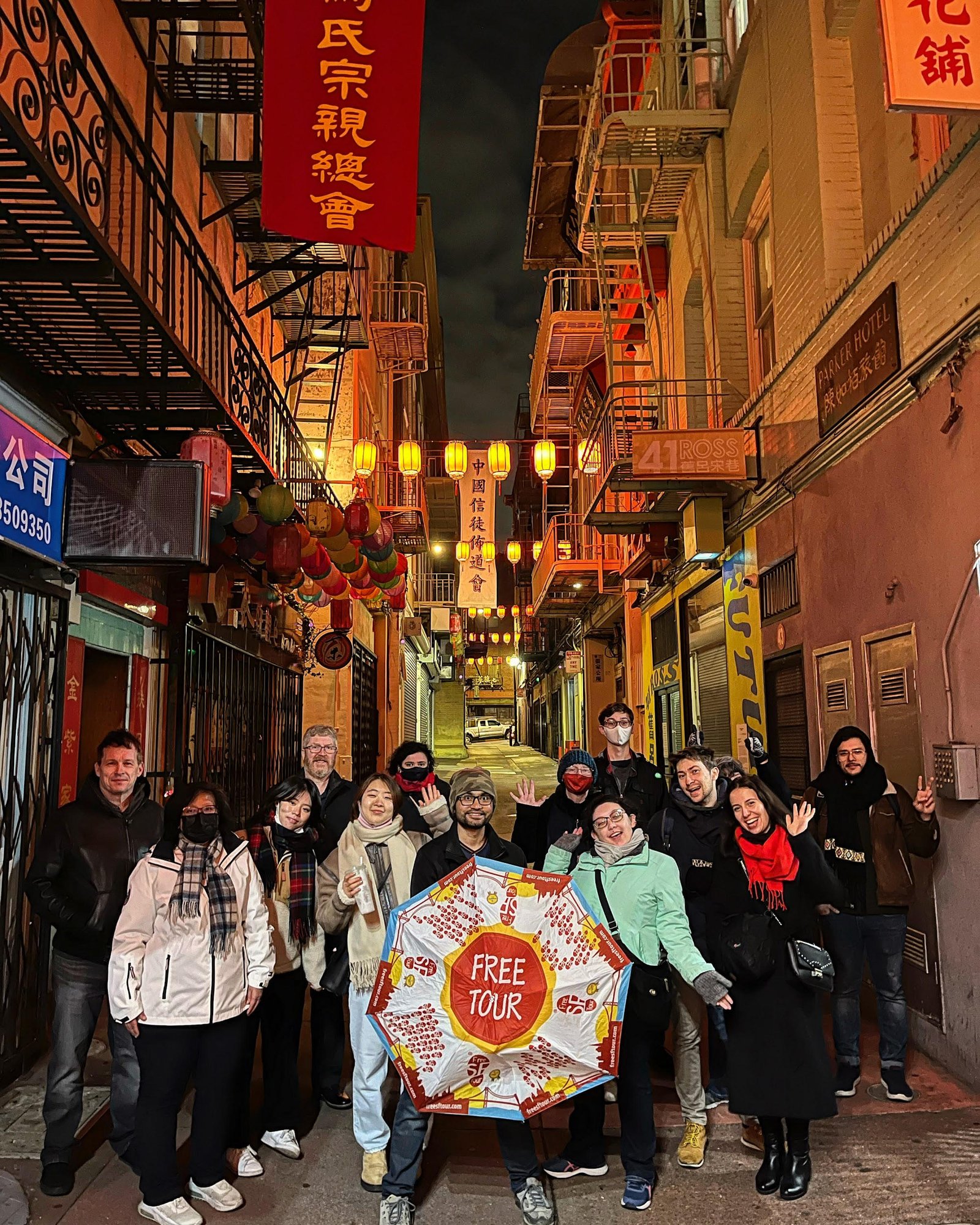
The two districts sit directly adjacent to one another, making a combined visit practical and efficient. Free SF Tour runs the Night Tour, From Asia to Europe: Chinatown and Little Italy, at 6:00 PM from the Dragon Gate; it covers both neighborhoods in 2 hours and 1.2 miles. Independent explorers can simply cross Broadway to move between the neighborhoods. The transition from Chinatown’s lantern-lit streets to North Beach’s Italian bakeries happens in minutes. This geographic compression means no transit time is wasted, and the cultural contrast unfolds block by block.
Why visit the Mission, Castro, and Haight-Ashbury?
Three San Francisco neighborhoods deliver cultural immersion that standard tourist itineraries miss entirely. The Mission District, the Castro, and Haight-Ashbury each preserve a distinct chapter of the city’s identity. Visitors who skip these areas lose access to the grassroots art, civil rights history, and architectural character that define San Francisco beyond its postcard landmarks.
What makes the Mission District a standout neighborhood?
The Mission District anchors its appeal in deep Latin-American cultural heritage and a warm microclimate. Dynamic street life unfolds along its corridors, where murals and local businesses reflect generations of community presence. Two essential stops shape any visit. The sloping lawn of Dolores Park offers skyline views and a gathering space for locals and travelers alike. A short walk away, the Clarion Alley Murals display vivid, politically charged artwork that changes as artists add new pieces. The Mission’s combination of food, public art, and reliably sunny weather makes it one of the best neighborhoods San Francisco visit planners should prioritize.
Why does the Castro hold such cultural significance?
The Castro stands as the historic center of LGBTQ+ civil rights, a neighborhood where community pride remains visible on every block. Sidewalk life hums along 18th and Castro Streets, with cafes, independent bookshops, and the landmark Castro Theater framing the daily rhythm. The Rainbow Honor Walk honors activists and artists who advanced equality. This concentration of history and identity gives the Castro a weight that few American neighborhoods can claim. A thorough neighborhoods guide would be incomplete without acknowledging how the Castro shaped national conversations about dignity and belonging.
What defines the Haight-Ashbury experience?
Haight-Ashbury channels its counterculture heritage through a landscape of classic Victorian architecture and an eclectic, creative energy. Painted ladies and ornate facades line the streets, housing vintage clothing shops, record stores, and independent bookstores that reject corporate uniformity. The neighborhood’s counterculture legacy persists not as a museum piece but as a living aesthetic. Free SF Tour does not run tours in the Mission, the Castro or the Haight, so use the morning downtown tour to get your bearings and then explore this trio on your own. To get there from Union Square: BART or the J Church to 16th Street or 24th Street for the Mission, Muni Metro to Castro station or the F streetcar for the Castro, and the 7 Haight bus from Market Street for Haight-Ashbury.
How do Hayes Valley, the Marina, and Golden Gate Park compare?
Hayes Valley, the Marina, and Golden Gate Park offer three distinct San Francisco experiences. Each neighborhood suits a different afternoon mood, from boutique browsing to waterfront strolling to garden wandering.
Hayes Valley is a compact, pedestrian-friendly enclave of modern boutiques and open-air parklets. Patricia’s Green anchors the neighborhood with public art and seating. Visitors reach this area via an easy walk down Market to Hayes Street, or Muni Metro to Van Ness station. The neighborhood rewards travelers who want a curated, walkable slice of local style without committing to a full-day trek.
The Marina delivers a flat, breezy waterfront promenade with unobstructed views of the Golden Gate Bridge from Marina Green. Wide paths invite joggers, cyclists, and casual walkers alike. The open skyline and steady bay wind create a sensory contrast to the city’s hillier interior. For visitors prioritizing iconic bridge photography and a relaxed maritime atmosphere, the Marina ranks among the best neighborhoods san francisco visit. Take the 30 Stockton bus from Union Square to Chestnut Street.
Golden Gate Park functions as a vast, peaceful green haven stretching all the way west to Ocean Beach. Head for Stow Lake and climb Strawberry Hill for its waterfalls and pagoda, find the bison paddock near the western end, see the two windmills by the ocean, and take a quiet moment in the National AIDS Memorial Grove. Take the 5 Fulton bus or the N Judah from downtown. The park is big, so pick two or three spots rather than trying to cover it all.
Which neighborhood works best for a short afternoon visit?
Hayes Valley fits neatly into a two-hour window. Its compact footprint and proximity to downtown transit make it the most efficient choice. The Marina requires slightly more travel time but rewards visitors with immediate waterfront payoff. Golden Gate Park demands the most time investment and benefits from wheels rather than walking.
How do the castro haight mission areas connect to these three neighborhoods?
A comprehensive neighborhoods guide often groups the Castro, Haight, and Mission as a cultural corridor south and west of downtown. Hayes Valley sits just north of this corridor, making it a natural starting point before venturing deeper into the Mission District. The Marina lies to the north, disconnected from that cluster. Golden Gate Park borders the Haight’s western edge, creating a logical route from vintage shopping to garden paths. For a broader look at where to base a stay, the company’s overview of what are the best neighborhoods in San Francisco to stay at covers additional options beyond these three.
What should you know about Fisherman’s Wharf and planning your day?
Fisherman’s Wharf warrants only a brief stop. The sea lion colony at Pier 39 provides the one genuinely compelling reason to visit this heavily touristed waterfront district. Travelers who linger here miss the authentic neighborhoods that define San Francisco’s character. A quick photo and a few minutes watching the barking marine mammals suffice before moving on to richer experiences.
The best neighborhoods san francisco visit for an afternoon of genuine exploration include North Beach, the Mission, the Castro, Haight-Ashbury, Hayes Valley, the Marina, and Golden Gate Park. Each offers distinct architecture, local food scenes, and cultural landmarks that Fisherman’s Wharf cannot match. A well-planned itinerary steers visitors away from the waterfront crowds and toward these vibrant communities.
How does the morning tour fit into the day?
The Official Tour of San Francisco by Free SF Tour starts every day at 10:00 AM in English and 10:30 AM in Spanish at the corner of Post and Powell streets, on the north-west side of Union Square; look for the guide holding a white-and-red umbrella that says FREE TOUR. There is no ticket; at the end, guests pay the guide what they think the tour was worth. The route goes through Maiden Lane, Chinatown (the Dragon Gate, the Golden Gate Fortune Cookie Factory, Ross Alley and Portsmouth Square) and past the Transamerica Pyramid, and ends at the Embarcadero opposite the Ferry Building, which puts you on the F streetcar line for the afternoon. Arrive 10 to 15 minutes early and reserve a free spot at freesftour.com.
How long and how hilly is it?
The route covers about 1.8 miles over 2.5 hours and is nearly flat, with a gentle rise on Grant Avenue to the Dragon Gate and a gradual descent to the waterfront. Free SF Tour has run it daily since October 2015, has welcomed more than 80,000 guests and has been voted best free tour in the USA three times. Two more free options round out the day: the Night Tour, From Asia to Europe: Chinatown and Little Italy, at 6:00 PM from the Dragon Gate (Grant Avenue and Bush Street), 2 hours and 1.2 miles; and the Free E-Bike Tour at 3:00 PM from Fox Plaza, about 4 hours and 15 miles past 18 landmarks including the Golden Gate Bridge, maximum 4 riders, no rental fee.
Which neighborhoods reward an afternoon visit?
The castro haight mission corridor anchors any well-planned San Francisco afternoon. The Mission District delivers murals, taquerias, and Dolores Park’s skyline views. The Castro offers LGBTQ+ history and vibrant streetscapes. Haight-Ashbury preserves its counterculture legacy through independent shops and Victorian architecture. North Beach, Hayes Valley, the Marina, and Golden Gate Park round out the seven neighborhoods that transform a brief visit into a meaningful exploration.
FAQ
Which San Francisco neighborhoods are worth visiting?
North Beach, the Mission, the Castro, Haight-Ashbury, Hayes Valley, the Marina and Golden Gate Park each reward an afternoon. Chinatown is best seen on the morning tour or the Night Tour.
What makes San Francisco’s neighborhoods easy to explore?
The city is compact and Muni, BART and the streetcars connect the neighborhoods quickly, so you can see downtown in the morning and a completely different neighborhood in the afternoon.
Which neighborhood should first-time visitors start in?
Union Square. Free SF Tour’s Official Tour of San Francisco leaves from Post and Powell every day at 10:00 AM in English and 10:30 AM in Spanish.
Conclusion
Start with the morning tour from Union Square to get your bearings, then give the afternoon to one of the seven: North Beach, the Mission, the Castro, Haight-Ashbury, Hayes Valley, the Marina or Golden Gate Park. Give Fisherman’s Wharf twenty minutes for the sea lions and no more. The choice comes down to the mood you want, murals, waterfront, Victorians or trees, and every one of them is a short ride away.