North Beach Walking Tour: Explore Little Italy and Beat Generation History in San Francisco
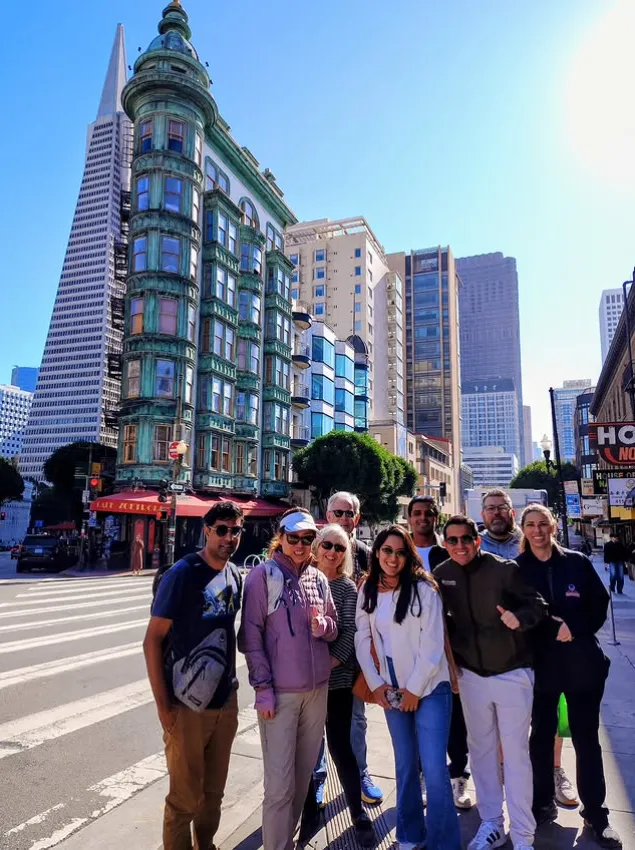
The North Beach Walking Tour offers a unique opportunity to delve into the rich cultural tapestry of San Francisco, particularly focusing on Little Italy and the Beat Generation. This vibrant neighborhood is not only known for its Italian heritage but also as a cradle for literary innovation during the mid-20th century. In this article, you will learn about the historical significance of North Beach, the key figures of the Beat Generation, must-see landmarks, and practical tips for making the most of your walking tour experience. Many visitors seek to understand the cultural roots and historical context of this iconic area, and this guide provides a comprehensive overview to enhance your exploration. Join us as we uncover the stories and sites that define North Beach and Little Italy.
What is the historical significance of North Beach and Little Italy in San Francisco?
North Beach, often referred to as Little Italy, is a neighborhood steeped in history and cultural significance. It became a hub for Italian immigrants in the late 19th and early 20th centuries, shaping its identity through vibrant cultural traditions and community contributions. The area is characterized by its rich culinary scene, with Italian restaurants and cafes that have become landmarks in their own right.
How did Italian-American culture shape North Beach's identity?
Italian-American culture has profoundly influenced North Beach’s identity, infusing the neighborhood with traditions, culinary delights, and a strong sense of community. The arrival of Italian immigrants brought with it a wealth of cultural practices, from family-oriented gatherings to the establishment of local businesses that catered to the community’s needs. Culinary influences, such as pasta and espresso, became staples in the area, contributing to its reputation as a gastronomic destination. This cultural heritage is celebrated through festivals and events that honor the Italian roots of the neighborhood.
What key events define Little Italy's history in San Francisco?
Little Italy’s history is marked by several key events that have shaped its development. The influx of Italian immigrants during the late 19th and early 20th centuries laid the foundation for the community, while the establishment of cultural institutions, such as churches and social clubs, fostered a sense of belonging. Significant milestones include the construction of iconic landmarks and the celebration of cultural festivals, which continue to attract visitors today. These events highlight the resilience and vibrancy of the Italian-American community in San Francisco.
Who were the main Beat Generation writers featured on the North Beach Walking Tour?
The Beat Generation, a literary movement that emerged in the 1950s, found a home in North Beach, where writers like Jack Kerouac and Allen Ginsberg made significant contributions to American literature. This section explores the key figures of the Beat Generation and their lasting impact on the literary landscape.
What contributions did Jack Kerouac and Allen Ginsberg make to Beat literature?
Jack Kerouac and Allen Ginsberg are two of the most prominent figures of the Beat Generation, known for their groundbreaking works that challenged societal norms. Kerouac’s novel “On the Road,” published in 1957, is a seminal text that captures the spirit of the era, emphasizing themes of freedom and exploration. Ginsberg’s poem “Howl,” first published in 1956, is another cornerstone of Beat literature, addressing issues of mental health, sexuality, and social justice. Together, their works not only defined the Beat movement but also influenced generations of writers and artists.
Which landmarks are associated with Beat Generation figures in North Beach?
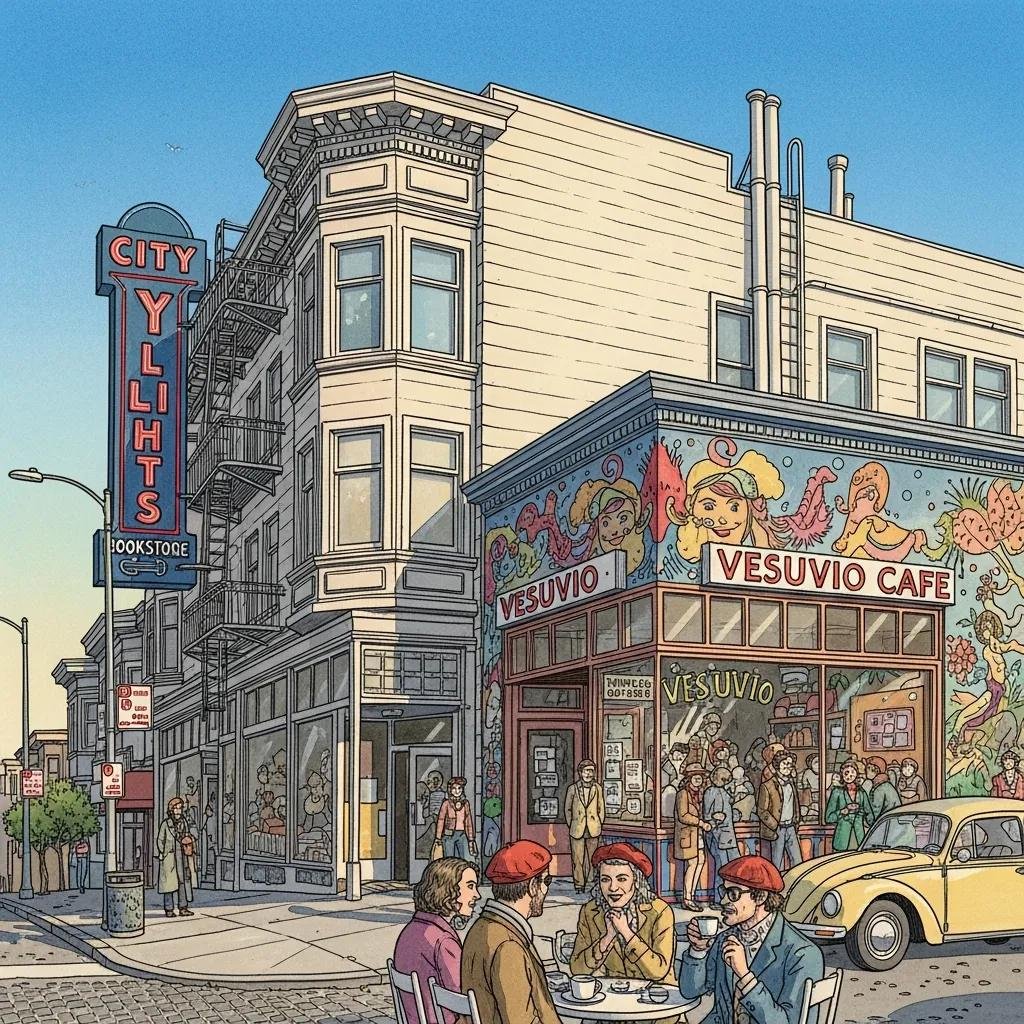
North Beach is home to several landmarks that are closely associated with Beat Generation figures. City Lights Bookstore, founded by Lawrence Ferlinghetti and Peter D. Martin in 1953, became a gathering place for writers and intellectuals, fostering a creative community. Vesuvio Cafe, established in 1948, was a favorite haunt of Beat writers and is known for its bohemian atmosphere and historical significance. These locations serve as reminders of the vibrant literary culture that flourished in North Beach during the mid-20th century.
What are the must-see landmarks on the North Beach Cultural Walking Tour?
The North Beach Cultural Walking Tour features several must-see landmarks that reflect the neighborhood’s rich history and cultural significance. These sites offer insights into the area’s Italian heritage and its role in the Beat Generation.
Why visit City Lights Bookstore and its role in literary history?
City Lights Bookstore is a landmark in literary history, known for its role in the Beat Generation and its commitment to publishing innovative works. Founded in 1953, the bookstore became a sanctuary for writers and readers alike, hosting readings and discussions that shaped the literary landscape. Its selection of books, particularly those by Beat authors, continues to attract visitors seeking to connect with the literary legacy of the neighborhood.
What is the significance of Vesuvio Cafe in Beat Generation culture?
Vesuvio Cafe holds a special place in Beat Generation culture, serving as a meeting point for writers and artists. The cafe’s vibrant atmosphere and rich history make it a popular destination for those looking to immerse themselves in the creative spirit of North Beach. Anecdotes of famous patrons and literary discussions that took place within its walls contribute to its allure, making it a must-visit for anyone exploring the area.
How can visitors prepare for the North Beach Walking Tour?
Preparing for the North Beach Walking Tour can enhance your experience and ensure you make the most of your time in this historic neighborhood. Here are some practical tips to consider.
What practical tips enhance the walking tour experience?
To enhance your walking tour experience, consider visiting during the early morning or late afternoon when the streets are less crowded. Wear comfortable shoes, as the tour involves walking through various terrains. Engaging with your guide can also enrich your understanding of the area’s history and culture, so don’t hesitate to ask questions. Bringing a camera is advisable to capture the stunning architecture and vibrant street life.
Where to find free and cultural heritage tours in San Francisco's historic neighborhoods?
For those interested in exploring more of San Francisco’s cultural heritage, several resources are available. Websites dedicated to local tourism often list free walking tours that cover various neighborhoods, including North Beach. Additionally, community organizations frequently host cultural events and guided tours that provide deeper insights into the city’s rich history. Engaging with local guides can also lead to discovering hidden gems throughout the city.
| Landmark | Historical Significance | Cultural Impact |
|---|---|---|
| City Lights Bookstore | Hub for Beat writers | Promoted literary innovation |
| Vesuvio Cafe | Meeting place for artists | Fostered creative community |
| Sts. Peter and Paul Church | Symbol of Italian heritage | Venue for cultural celebrations |
This table highlights key landmarks in North Beach, showcasing their historical significance and cultural impact on the community. Each site contributes to the rich narrative of the neighborhood, making them essential stops on the walking tour.