Mission District & Castro Walking Tours: Explore SF Culture
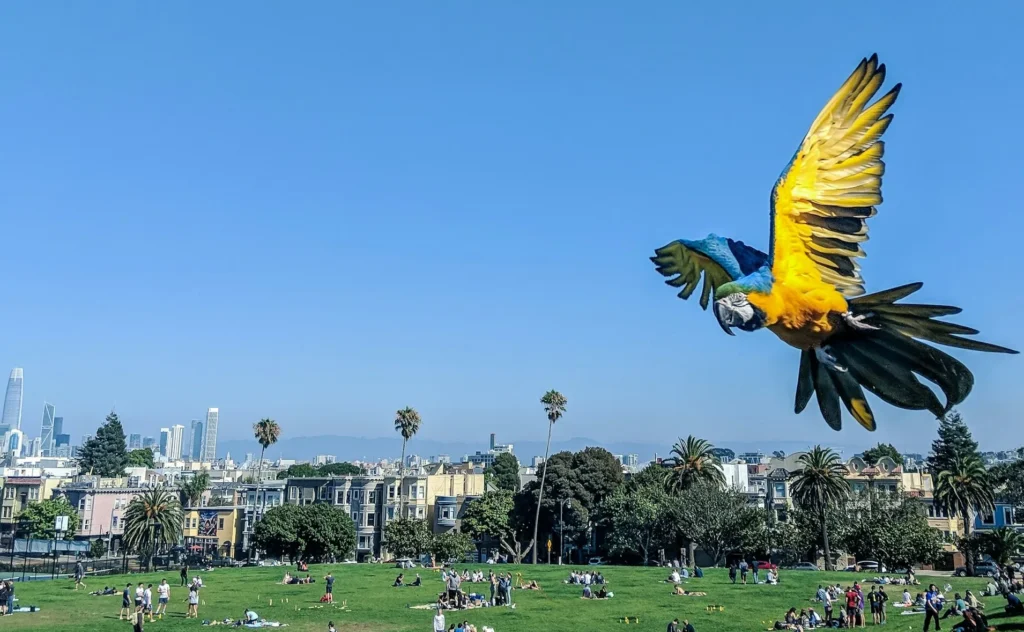
San Francisco’s Mission District and Castro neighborhood offer a vibrant tapestry of art, history, and culture, making them prime locations for walking tours. These neighborhoods are rich in stories, from the colorful murals that adorn the streets to the historical landmarks that reflect the city’s diverse heritage. This article will guide you through the unique experiences available in these areas, highlighting key attractions, cultural significance, and practical tips for an engaging visit. Whether you’re an art enthusiast, a history buff, or simply looking to explore, the Mission and Castro neighborhoods provide a captivating way to experience San Francisco. We will delve into the discoveries awaiting you in the Mission District, the significance of the Castro’s LGBTQ history, and the best walking tour itineraries to enhance your exploration.
To truly experience these neighborhoods, consider a walking tour that offers a unique perspective on the city’s art, history, and culture.
NEW! Mission Castro Free Tour is now open for bookings!
What can you discover on a Mission District walking tour?
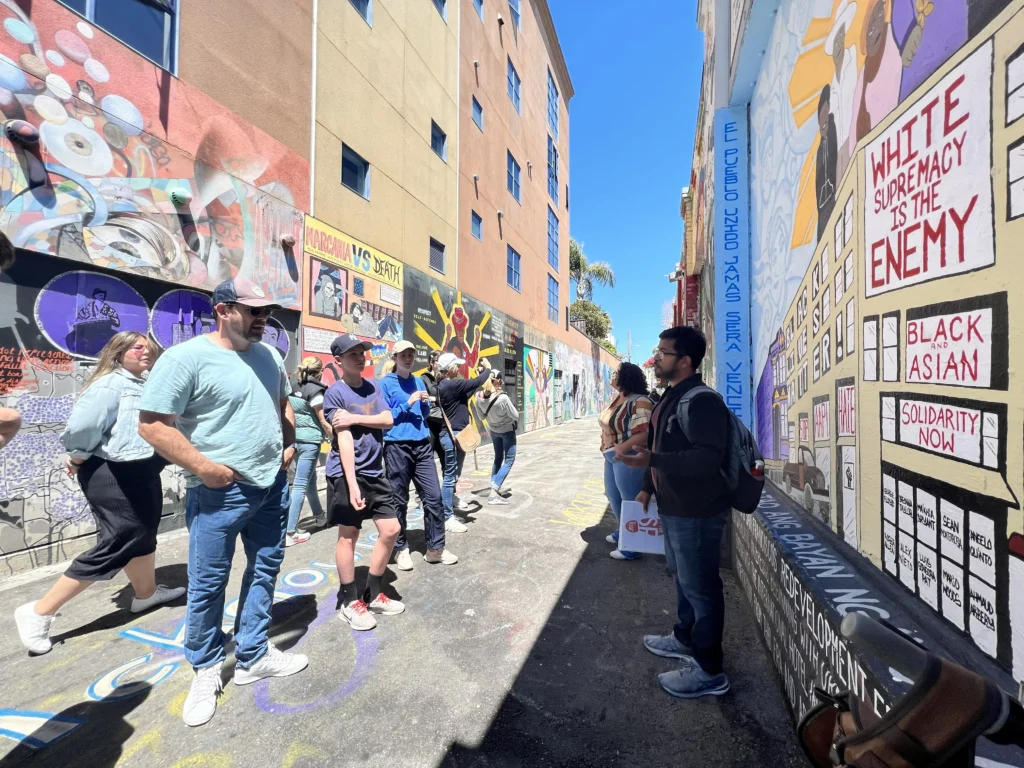
A walking tour of the Mission District reveals a wealth of attractions that showcase its artistic and historical significance. Visitors can explore the vibrant murals that tell the stories of the community, visit historical landmarks, and indulge in local culinary delights.
- Murals in Balmy Alley and Clarion Alley: These alleys are famous for their stunning street art, which reflects the cultural and social issues of the community.
- Historical landmarks like Mission Dolores: This is the oldest surviving structure in San Francisco, offering insights into the city’s early history.
- Local culinary spots: The Mission is known for its diverse food scene, including iconic eateries that serve delicious Mexican cuisine.
These elements combine to create a rich narrative of the Mission District, making it a must-visit for anyone interested in art and history.
Which famous murals and street art define the Mission District?
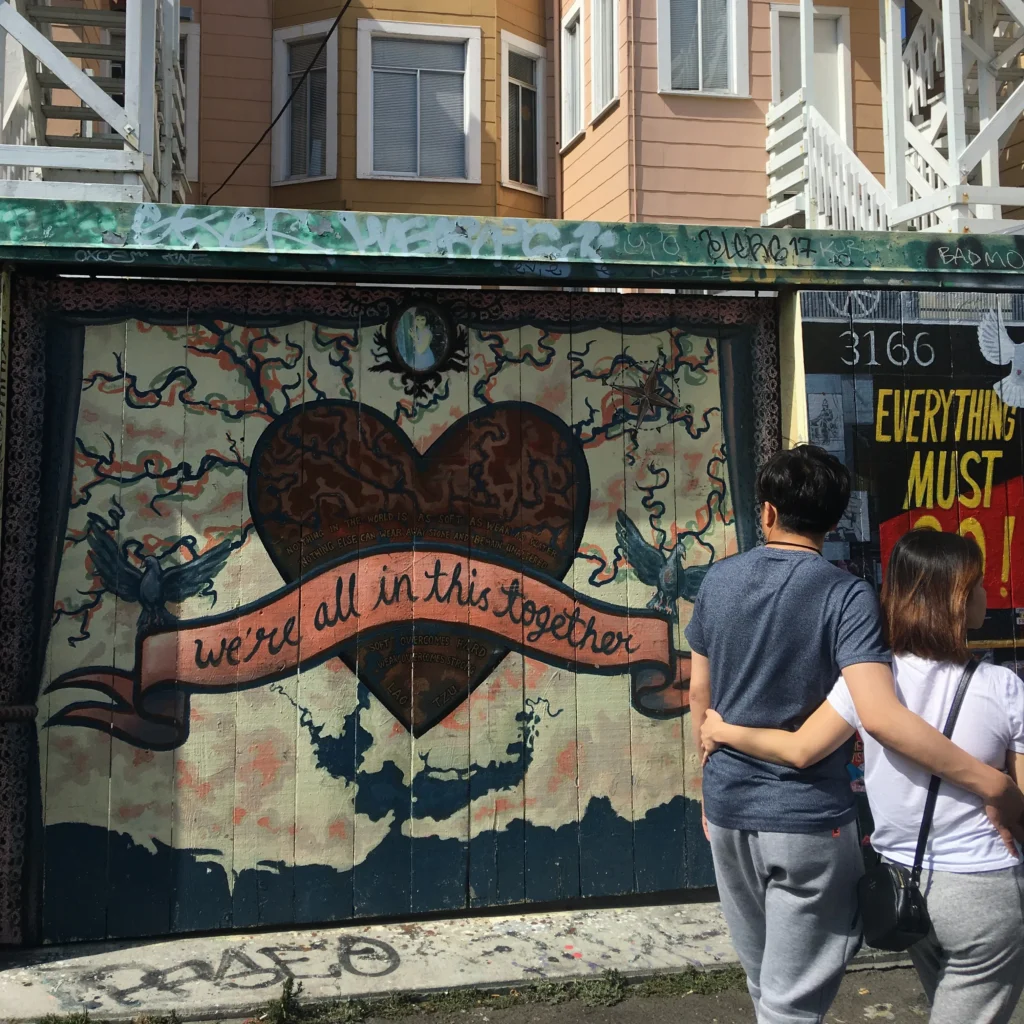
The Mission District is renowned for its vibrant street art, which serves as a visual representation of the community’s identity and struggles.
- Balmy Alley Murals: This alley features a collection of murals that address social justice issues, cultural pride, and community history.
- Clarion Alley Murals: Known for its politically charged artwork, this alley showcases the voices of local artists and activists.
- The Women’s Building Mural: A stunning mural that celebrates women’s contributions to society, it is a landmark in its own right.
These murals not only beautify the neighborhood but also provoke thought and inspire dialogue among viewers.
How does Mission's history shape its vibrant neighborhood culture?
The history of the Mission District is deeply intertwined with its cultural identity. The influence of Latinx immigrant communities has played a significant role in shaping the neighborhood’s character.
- Influence of Latinx immigrant communities: The arrival of these communities has enriched the cultural landscape, introducing vibrant traditions and celebrations.
- Historical landmarks like Mission Dolores: This site serves as a reminder of the area’s early Spanish colonial history and its evolution over the centuries.
- Cultural narratives expressed through art: The murals and public art installations reflect the stories and experiences of the community, preserving their heritage.
Understanding this historical context is essential to appreciating the Mission District’s vibrant culture today.
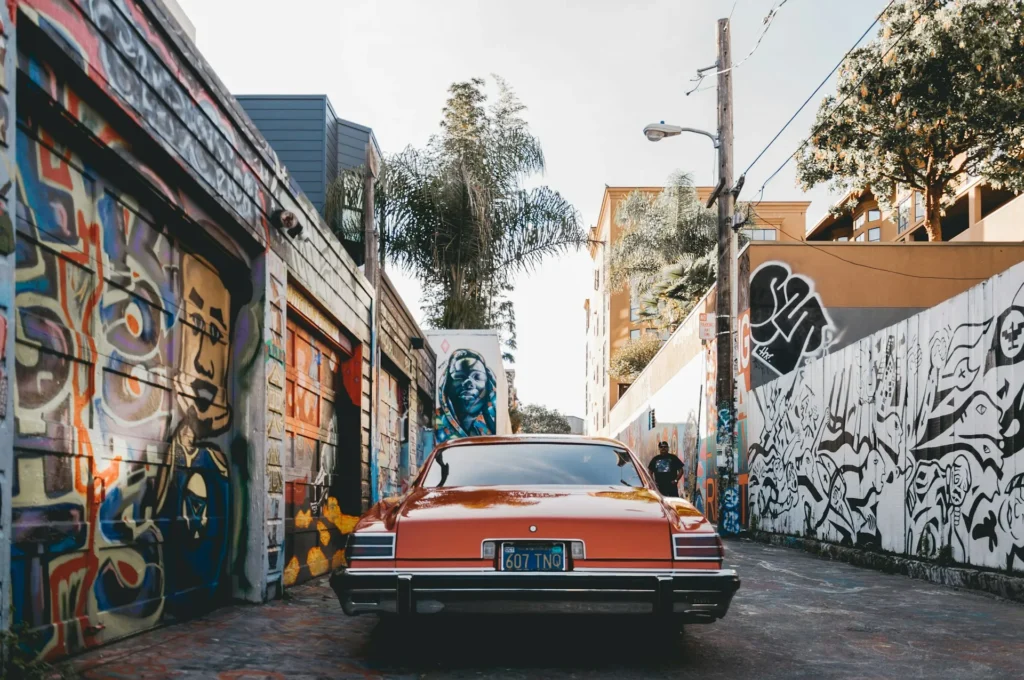
Photo by Richard Lee
How does the Castro District reflect San Francisco's LGBTQ history and landmarks?
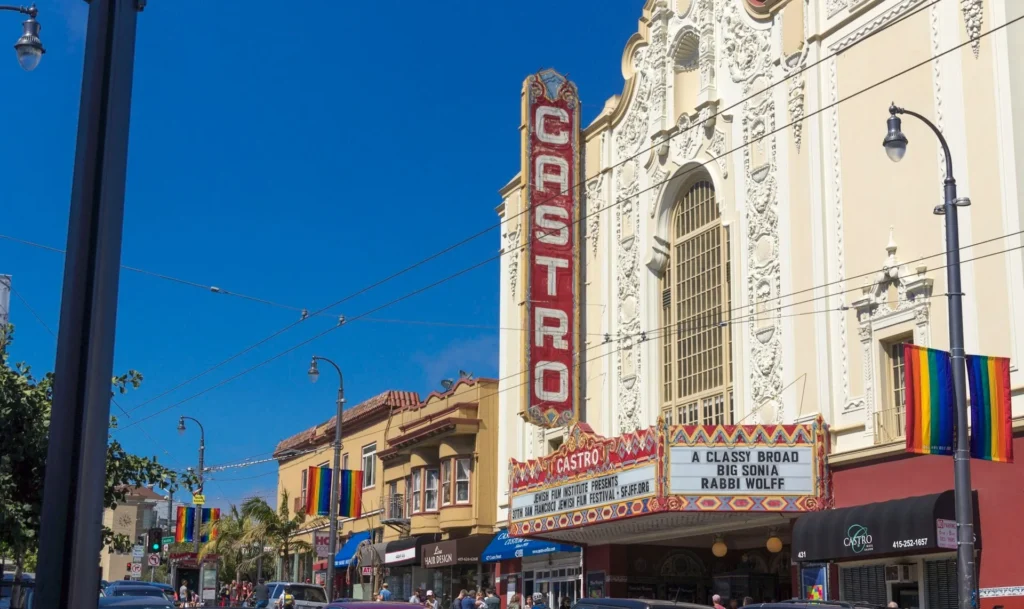
The Castro District is a cornerstone of LGBTQ history in San Francisco, known for its significant landmarks and cultural contributions.
The significance of such places is underscored by broader efforts to recognize and preserve LGBTQ historic sites globally.
LGBTQ Heritage & Historic Sites
This issue ofChange Over Time, focused on LGBTQ heritage, is published to coincide with the fiftieth anniversary of the Stonewall uprising, a key turning point in the LGBTQ rights movement.1It is ironic that Stonewall, a seedy, Mafia-run bar in New York City that had a brief run from 1967 to 1969, is now the most officially recognized LGBTQ historic site in the country, if not the world, given that twenty-five years ago the first attempt to secure federal recognition was rebuffed due to “lack of context.”
LGBTQ heritage, 2018
- Harvey Milk’s Camera Store: This site is a historical landmark where Harvey Milk, one of the first openly gay elected officials in the U.S., operated his business and advocated for LGBTQ rights. On ourMission Castro Tour, we go inside his home to see the interior. Today, it’s a gallery for local artists.
- Castro Theatre: A historic movie palace that has been a gathering place for the LGBTQ community, hosting film festivals and events.
- GLBT History Museum: This museum offers a deep dive into the history and culture of the LGBTQ community, showcasing important artifacts and exhibitions.
These landmarks not only celebrate the achievements of the LGBTQ community but also serve as reminders of the ongoing struggle for equality.
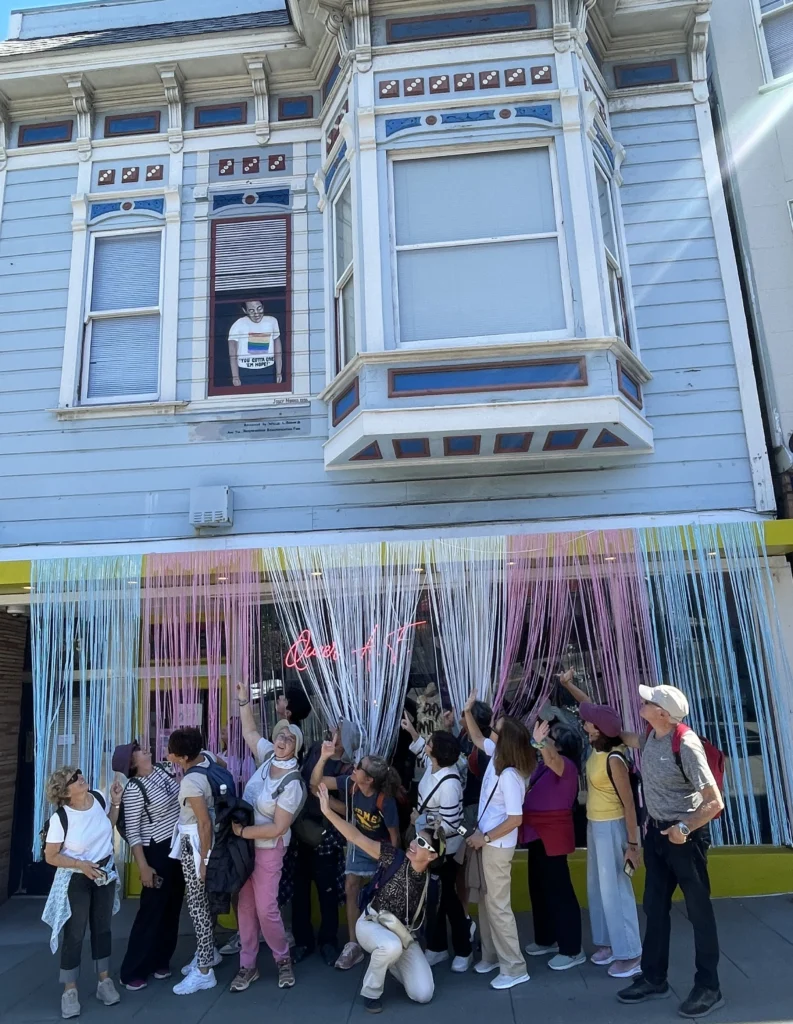
Photo of our group in front of Harvet Milk’s home, with him smiling at them from his window.
What are the key Castro landmarks and their cultural significance?
The Castro District is home to several key landmarks that hold cultural significance for both the local community and visitors.
- Castro Theatre: This iconic venue is known for its beautiful architecture and role in LGBTQ film screenings and events.
- Harvey Milk Plaza: A public space dedicated to the memory of Harvey Milk, it serves as a gathering point for community events and activism.
- Clarion Mural Alley: This area features murals that celebrate LGBTQ history and culture, making it a vibrant part of the neighborhood.
These landmarks contribute to the Castro’s identity as a cultural hub for the LGBTQ community.
How has LGBTQ heritage influenced the Castro neighborhood's identity?
The Castro’s identity is heavily influenced by its LGBTQ heritage, which has shaped its culture and community dynamics.
- Safe haven for marginalized communities: The Castro has historically provided a refuge for LGBTQ individuals, fostering a sense of belonging and acceptance.
- Symbolism of rainbow flags: The rainbow flag, a symbol of LGBTQ pride, is prominently displayed throughout the neighborhood, representing diversity and inclusivity.
- Cultural and social hub: The Castro serves as a center for LGBTQ activism, art, and social gatherings, reinforcing its significance in the broader narrative of LGBTQ rights.
This heritage continues to inspire and empower the community, making the Castro a vital part of San Francisco’s cultural landscape.
However, the ongoing preservation of this rich heritage faces challenges, particularly in a rapidly changing urban environment.
San Francisco LGBTQ Cultural Heritage Preservation
San Francisco’s continued economic boom threatens to displace much of its culturally diverse population, including LGBTQ residents who have made the city a center of the national and international struggle for civil rights and equitable treatment. Queer activists and their preservation allies have worked together to apply several new cultural preservation strategies to help LGBTQ people maintain their place in the city and preserve their significant local cultural heritage.
Emerging Strategies for Sustaining San Francisco’s
Diverse Heritage, JM Buckley, 2018
What are the best guided walking tour itineraries for Mission and Castro neighborhoods?
Guided walking tours offer an excellent way to explore the Mission and Castro neighborhoods, providing insights from knowledgeable guides.
- Mission / Castro Hidden Stories tour: This tour uncovers lesser-known facts and stories about the neighborhoods, highlighting their unique histories.
- Duration and key locations: Most tours last around 2-3 hours and cover significant sites, including murals, historical landmarks, and cultural venues.
- Pay-as-you-wish model: Many tours operate on a pay-as-you-wish basis, making them accessible to a wider audience.
These itineraries enhance the experience by providing context and depth to the exploration of these vibrant neighborhoods.
Which routes highlight art, history, and cultural venues effectively?
Choosing the right route can significantly enhance your walking tour experience in the Mission and Castro neighborhoods.
- Free SF Tour: Everything you need to understand San Francisco—its history, culture, and the people who built this city. Voted Best Free Tour in the USA three times!
- Chinatown Tour: This route offers a glimpse into the rich cultural heritage of San Francisco’s Chinatown, including its historical significance and a comparison with the Western world. We also go to North Beach (Little Italy) for the best pizza in SF. We continue exploring the Italian heritage of North Beach, known for its cafes, restaurants, and the counterculture in the USA.
- Mission District Tour: Focused on the Mission, this route highlights the area’s murals, culinary spots, and historical landmarks.
These routes effectively showcase the diverse cultural offerings of San Francisco, making them ideal for any walking tour.
What tips help visitors prepare for an engaging San Francisco walking tour?
Preparing for a walking tour can enhance your experience and ensure you make the most of your time in San Francisco.
- Wear comfortable shoes: Given the amount of walking involved, comfortable footwear is essential for an enjoyable experience.
- Stay hydrated: Bring water to stay refreshed, especially during warmer months when walking can be strenuous.
- Engage with your guide: Don’t hesitate to ask questions and interact with your guide to gain deeper insights into the neighborhoods.
These tips will help you navigate the tours with ease and maximize your enjoyment.
How can you experience local culture through food and events in Mission and Castro?
Experiencing local culture in the Mission and Castro neighborhoods goes beyond sightseeing; it includes indulging in food and participating in events.
- Join a walking tour: Many tours incorporate food tastings, allowing you to sample local cuisine while learning about the neighborhoods.
- Explore local eateries: The Mission is famous for its taquerias and cafes, offering a taste of authentic Mexican food and other culinary delights.
- Attend local events: Keep an eye out for cultural events, festivals, and community gatherings that showcase the vibrant spirit of these neighborhoods.
Engaging with the local culture through food and events provides a richer understanding of the community’s heritage.
What cultural events showcase neighborhood traditions and community?
Cultural events in the Mission and Castro neighborhoods highlight the traditions and community spirit that define these areas.
- Cultural celebrations at Sts. Peter and Paul Church: This church hosts various events that celebrate the local community’s heritage and traditions.
- Free walking tours: Many organizations offer free walking tours that delve into the history and culture of the neighborhoods, making them accessible to all.
- Mission District Murals Tour: This event focuses on the artistic expressions found throughout the Mission, celebrating the stories behind the murals.
These events foster community engagement and provide opportunities for visitors to connect with the local culture.
Which local foods and eateries capture the spirit of these historic districts?
The Mission and Castro neighborhoods are home to a variety of local foods and eateries that reflect their unique cultural identities.
- La Taqueria: Known for its delicious tacos and burritos, this eatery is a staple in the Mission District.
- Bi-Rite Creamery: Famous for its artisanal ice cream, this creamery offers a sweet treat that captures the essence of the neighborhood.
- El Buen Sabor: A local favorite for authentic Mexican cuisine, this restaurant showcases the flavors of the Mission District.
These eateries not only satisfy your taste buds but also provide a glimpse into the culinary traditions of the neighborhoods.