

San Francisco Earthquake Walking Tour: Complete Guide to 1906 Historic Landmarks and Disaster Sites
The 1906 San Francisco Earthquake remains one of the most significant natural disasters in American history, reshaping the city and its landscape. This guide offers a comprehensive overview of the historic earthquake sites in San Francisco, allowing visitors to explore the remnants of this catastrophic event. Readers will learn about the causes of the earthquake, key landmarks to visit, and how to experience the history through guided walking tours. Understanding the impact of the earthquake not only enriches the visitor experience but also highlights the resilience of the city and its inhabitants. This article will cover the causes and effects of the earthquake, significant landmarks, recommended walking tour itineraries, and survivor stories that bring this historical event to life.
Further insights into the immediate aftermath and the city’s remarkable recovery are detailed in historical accounts.
1906 San Francisco Earthquake: Disaster, Rebuilding & Geological Impact
The San Francisco earthquake of 1906 remains one of the biggest urban disasters in American history. This paper gives a comprehensive overview of how the city coped with the immediate consequences of the catastrophe and quickly rebuilt. It analyzes the tense political situation of San Francisco in 1906, the role of the economic elite during and after the disaster, insurance aspects, social consequences of the process of rebuilding, and, finally, the treatment of the earthquake in the media and by contemporary geologists.
Dealing with disaster: the San Francisco Earthquake of 1906, 1906
What caused the 1906 San Francisco Earthquake and how did it impact the city?
The 1906 San Francisco Earthquake was primarily caused by the movement of the San Andreas Fault, which released accumulated stress along the fault line. This seismic event, occurring on April 18, 1906, at approximately 5:12 AM, registered a magnitude of about 7.8 and resulted in widespread destruction across the city. The earthquake not only caused significant structural damage but also triggered devastating fires that ravaged large portions of San Francisco. The historical significance of this disaster lies in its profound impact on urban planning, building codes, and disaster preparedness in the years that followed.
The pivotal role of the San Andreas Fault in the 1906 earthquake profoundly influenced scientific understanding of seismic activity.
San Andreas Fault: Cause of the 1906 San Francisco Earthquake
The San Andreas fault first gained the attention of California’s scientific community and the world following the great San Francisco earthquake of 18 April 1906. This event spurred intensive studies of earthquakes using geologic, geodetic, and seismic data.
San Andreas fault: The 1906 earthquake and subsequent evolution of ideas, 1906
When and where did the 1906 earthquake occur?
The earthquake struck San Francisco on April 18, 1906, at approximately 5:12 AM. The epicenter was located near the city, specifically along the northern segment of the San Andreas Fault, which runs along the California coast. The geographical area affected included not only San Francisco but also surrounding regions, leading to extensive damage and loss of life.
Which key historic earthquake landmarks can you visit on the San Francisco walking tour?
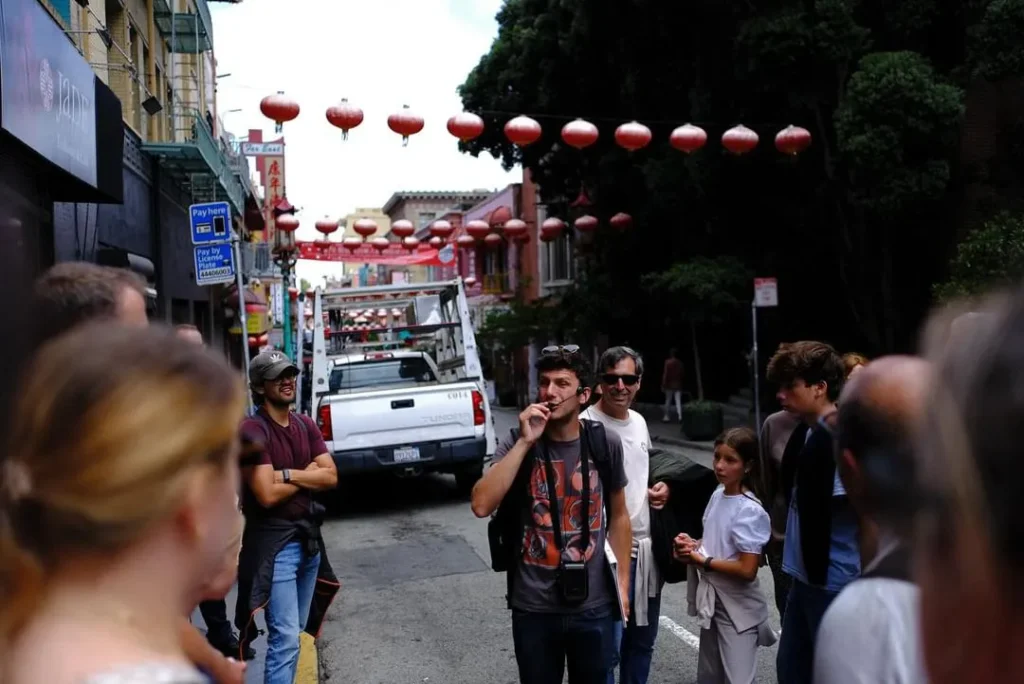
Visitors to San Francisco can explore several key historic landmarks that commemorate the 1906 earthquake and its aftermath. These sites provide insight into the disaster’s impact and the city’s recovery efforts.
What are the most significant earthquake memorials and disaster sites in San Francisco?
- The Ferry Building: Once a bustling transportation hub, it survived the earthquake and now serves as a marketplace and tourist attraction.
- Lotta’s Fountain: This site was a gathering place for survivors and played a crucial role in the community’s recovery efforts.
- The Old St. Mary’s Cathedral: This historic church, which survived the quake, stands as a testament to the resilience of the city’s architecture.
These landmarks not only highlight the historical significance of the earthquake but also serve as reminders of the community’s strength in the face of adversity.
The resilience of specific structures, such as Old St. Mary’s Cathedral, offers compelling insights into the earthquake’s impact on the city’s architecture.
San Francisco Historic Walking Tours: 1906 Earthquake Sites
A steeple planned for the bell tower was never built due to the threat of earthquakes. When the 1906 earthquake struck, the bell tower, without its steeple, survived the shaking, but the rest of the church was destroyed by fire.
Historic Walks in San Francisco: 18 Trails Through the City’s Past, 2002
How can you experience the 1906 earthquake history through a guided walking tour?

Experiencing the history of the 1906 earthquake through a guided walking tour offers a unique perspective on the event and its lasting effects on San Francisco. These tours typically include visits to key landmarks, providing context and stories that bring the history to life.
What is the recommended walking tour itinerary for visiting earthquake sites?
- Start at the Ferry Building: Learn about its history and significance during the earthquake.
- Visit Lotta’s Fountain: A gathering point for survivors, it symbolizes hope and resilience.
- Explore the Old St. Mary’s Cathedral: Discover its history and architectural significance.
This itinerary allows participants to engage with the city’s history actively while appreciating the resilience of its inhabitants.
What survivor stories and historical accounts bring the 1906 earthquake to life?
Survivor stories and historical accounts provide a personal connection to the 1906 earthquake, illustrating the human experience during this catastrophic event. These narratives highlight the courage and resilience of those who lived through the disaster.
Who were some notable survivors and what were their experiences?
Notable survivors include individuals like Mabel McCutcheon, who recounted her harrowing escape from a collapsing building, and William H. McCarthy, who helped organize relief efforts in the aftermath. Their experiences reflect the broader struggles faced by many during this tumultuous time, emphasizing the community’s strength and determination to rebuild.
To further enhance your exploration of San Francisco’s rich history, consider joining a “free San Francisco tour”. These tours offer an engaging way to discover the city’s iconic landmarks and hidden gems.
Exploring the city’s historical sites can be even more rewarding with a guided experience. A “San Francisco walking tour” can provide deeper insights into the events and stories that shaped the city.
For those interested in a comprehensive exploration of San Francisco’s historical landmarks and disaster sites, a “San Francisco tour” is highly recommended. These tours offer a unique perspective on the city’s resilience and historical significance.