
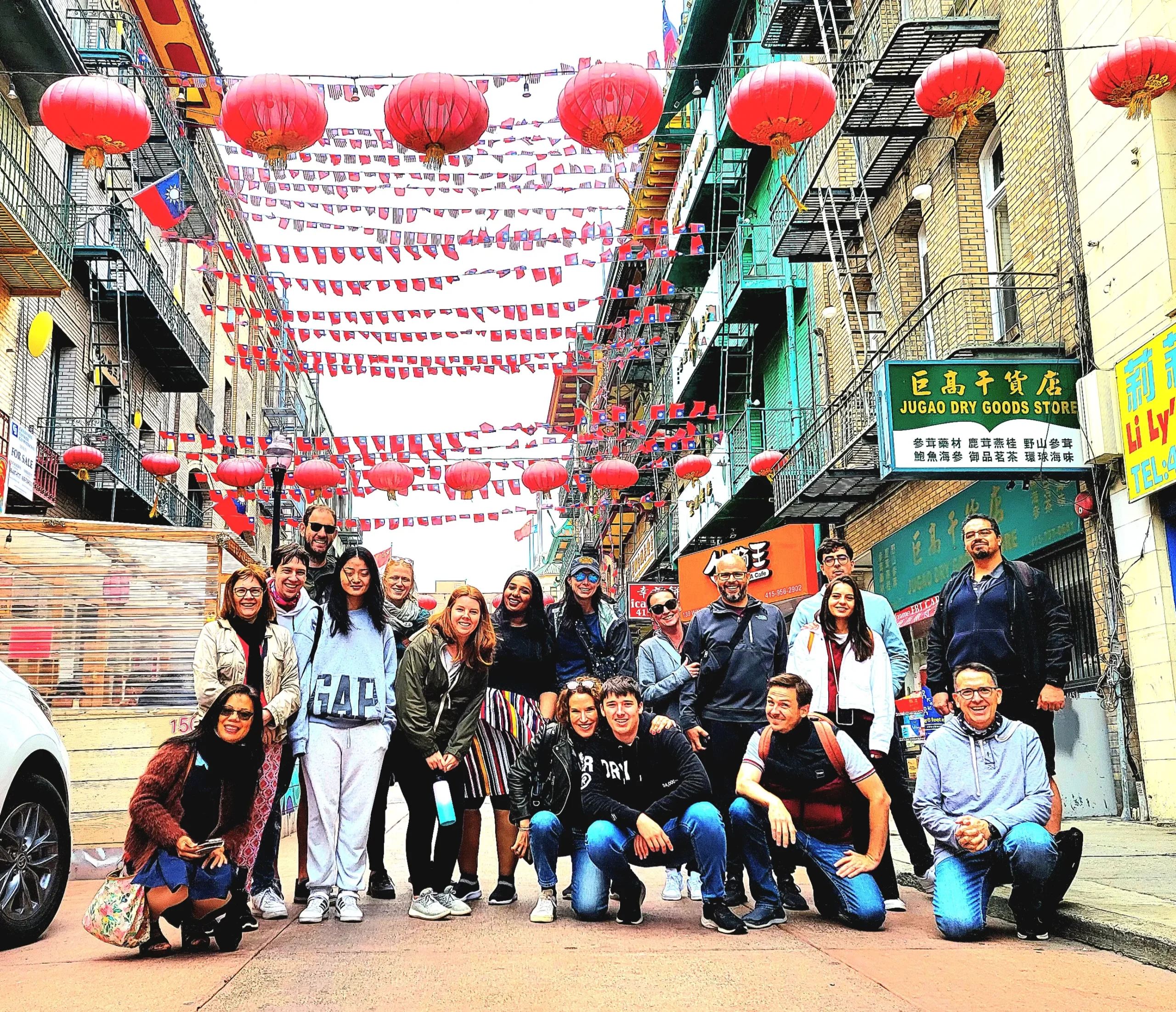
Chinatown Walking Tour San Francisco: Your Guide to Free, Budget-Friendly Cultural Tours
By Filip Lazarevski, Free SF Tour
Walking through San Francisco’s Chinatown offers living traditions, local food, and a community with deep history. This compact guide explains what to expect on a Chinatown walking tour, highlights key sights, and gives practical tips to help you get the most from your visit.
Key Takeaways
- Typical tours last about 1.5 to 2.5 hours and visit major cultural landmarks.
- Many tours use a Pay-What-You-Want model, keeping visits affordable.
- Top stops include the Dragon Gate, Tin How Temple, Portsmouth Square, and the Chinese Fortune Cookie Factory.
- Good guides add historical context and local stories that enrich the walk.
- Wear comfortable shoes and bring water for the walking portions.
- Food tastings—like dim sum—are often optional stops that add flavor to the tour.
- Early morning or late afternoon tours tend to be quieter.
- Book ahead and confirm reservations to avoid surprises.
Tour Overview
Most tours run 1.5 to 2.5 hours and focus on Chinatown’s main landmarks. Expect guided stops at the Dragon Gate, Tin How Temple, and Portsmouth Square, with concise explanations tying the sites to the neighbourhood’s history.
Free and Budget-Friendly Cultural Tours
Many Chinatown walks follow a Pay-What-You-Want model: no upfront fee, with suggested tips (commonly around $10–$20) to compensate guides. This approach makes tours accessible while supporting local guides.
Tips for Maximizing Your Experience
Use these practical tips to get more from your walk.
- Engage with Your Guide: Ask questions and request stories that interest you.
- Wear Comfortable Shoes: Sturdy footwear makes the walk easier.
- Stay Hydrated: Carry a water bottle, especially if you sample food.
These simple actions help you focus on Chinatown’s history, sights, and flavours.
Notable Attractions
The tour highlights landmarks that capture Chinatown’s culture and history. Below are a few key stops.
These stops show how history, cultural practice, and food traditions shape the neighbourhood.
Cultural Insights
The tour introduces local traditions—from dim sum customs to seasonal festivals—and shows how rituals and community events shape daily life. Even a brief overview of these practices will deepen your appreciation of Chinatown.
What Can You Expect on a Chinatown Walking Tour in San Francisco?
Expect lively streets, distinctive aromas, and stories about the people who built and sustain the community. Guides point out merchants and artisans and connect historical facts to present‑day neighbourhood life for an authentic view.
Key Sights
The tour typically includes several prominent landmarks such as:
- Dragon Gate: A symbolic entry point known for ornate design.
- Tin How Temple: One of the older temples, illustrating local spiritual practice.
- Portsmouth Square: A focal hub for community events and gatherings.
These stops show how historical stories and everyday life intersect in Chinatown.
Cultural Highlights
Look for festivals, performances, and small crafts such as calligraphy. You may see dragon dances or demonstrations that illustrate traditional skills—moments that add depth beyond sightseeing.
Tour Duration
Walks normally take 1.5 to 2.5 hours, though group size, questions, and tasting stops can alter timing. That window is designed to cover main points without rushing.
Recommended Guides
Choose guides with clear local knowledge and positive reviews. Good guides welcome questions, tell engaging stories, and relate history to present-day life, which makes the tour more informative.
Practical Tips
Prepare so the tour is comfortable.
- Plan Your Attire: Dress for the weather and for walking.
- Pack Essentials: A small bag with water, snacks, and a camera is handy.
- Timing Your Visit: Early morning or late afternoon tours often avoid peak crowds.
Exploring Chinatown with free walking tours can be a rewarding, budget-friendly way to learn about the area.
Overview of the Free SF Tour Experience
The Free SF Tour emphasizes community engagement and accessibility through a Pay-What-You-Want model. Visitors receive concise historical and cultural context while choosing a contribution that reflects their experience.
Key Landmarks: Dragon Gate and Portsmouth Square
Dragon Gate: Historical Significance, Visitor Tips, and Features
The Dragon Gate marks Chinatown’s formal entrance and showcases intricate craftsmanship. Pause to note carvings and architectural details and to photograph the streetscape.
Portsmouth Square: Historical Significance, Visitor Tips, and Features
Portsmouth Square played a central role during the Gold Rush and remains a lively community hub. Events there offer a clear view of how public spaces support neighbourhood life.
How Does the Pay-What-You-Want Pricing Model Work?
Instead of a fixed ticket price, the Pay-What-You-Want model lets visitors decide a contribution after the tour. This increases accessibility and fosters a direct connection between visitors and guides, who depend on those contributions.
Understanding Free Walking Tours and Tipping Etiquette
Free walking tours usually have no upfront cost, but tipping is important. Tip based on the value you received to support guides and sustain locally run tours—tipping helps maintain this model.
Booking Your Spot: Tips for a Smooth Reservation
Steps to reserve your place efficiently:
- Reserve Early: Popular tours can fill up, so book ahead when possible.
- Check Timing: Try different times of day for fewer crowds.
- Confirm: Verify your booking before the tour date to avoid issues.
Booking in advance reduces uncertainty and helps you plan your day around the tour.
What Cultural Stories and History Will You Discover?
Guides mix major historical events with personal anecdotes to bring Chinatown’s past to life. These narratives connect cultural milestones to residents’ everyday experiences, making history relatable.
Exploring Chinatown’s Rich Heritage and Traditions
The tour shows how festivals, food practices, and community organisations shape neighbourhood life. Observing these traditions clarifies how heritage continues to influence daily routines.
Food Culture Highlights on the Walking Tour
Food is central to the Chinatown experience. Tours often stop at notable vendors for small tastings; sampling local specialties supports small businesses and adds a sensory layer to the walk.
How to Prepare for Your San Francisco Chinatown Walking Tour
Smart preparation helps your visit go smoothly.
- Items to Bring: Water, snacks, and any comfort items.
- Plan Your Itinerary: Review the tour schedule so you know likely stops.
- Engage with Guides: Ask questions ahead of time to tailor the experience.
These steps help you get more from the tour and make the visit smoother.
Practical Tips: What to Bring and Wear
Keep these items in mind:
- Comfortable Clothing: Weather-appropriate, easy-moving clothes.
- Footwear: Shoes designed for walking.
- Weather Preparedness: Sunscreen, umbrella, or light jacket as needed.
Being prepared for the weather and a few hours on your feet helps you focus on Chinatown’s history and culture.
Best Times to Visit and Tour Duration Details
Early morning and late afternoon are often the best times for a quieter tour. With walks lasting about 1.5 to 2.5 hours, you’ll have time to explore without rushing and to experience the neighbourhood at a manageable pace.
Frequently Asked Questions
1. What should I bring to the Chinatown walking tour?
A refillable water bottle, comfortable clothes and shoes for 1.5 to 2.5 hours of walking, and small snacks if desired. Check the forecast and pack sunscreen or a compact umbrella as needed.
2. Can I take photographs during the tour?
Yes—photography is encouraged. Chinatown’s streets and landmarks make strong subjects. Be respectful: avoid photographing private interactions without permission and ask before photographing people involved in cultural activities.
3. Are there age restrictions for the walking tour?
Most tours welcome all ages. Families often join, but parents should consider whether children can handle the length and pace.
4. How do I find a reputable tour guide?
Look for guides with positive reviews that highlight local knowledge and storytelling. Ask about experience and whether the guide encourages questions.
5. What happens if it rains on the day of my tour?
Check the tour provider’s rain policy. Many tours run rain or shine, so bring a rain jacket or poncho; wet weather can mean fewer crowds and a different perspective.
6. Is food included in the walking tour?
Food is usually not included, but many tours offer sampling opportunities. Bring extra cash if you want tastings or a meal at a stop.
7. What are the best times of year for a Chinatown walking tour?
Spring and autumn often have milder weather and smaller crowds; weekdays tend to be quieter than weekends. Festivals bring richer cultural displays but more people.
Conclusion
A Chinatown walking tour provides a concise, engaging way to learn about the neighbourhood’s history, culture, and food. The Pay-What-You-Want model keeps tours accessible while letting you support knowledgeable local guides. Whether this is your first visit or a return trip, plan ahead, stay comfortable, and enjoy discovering Chinatown’s stories.