
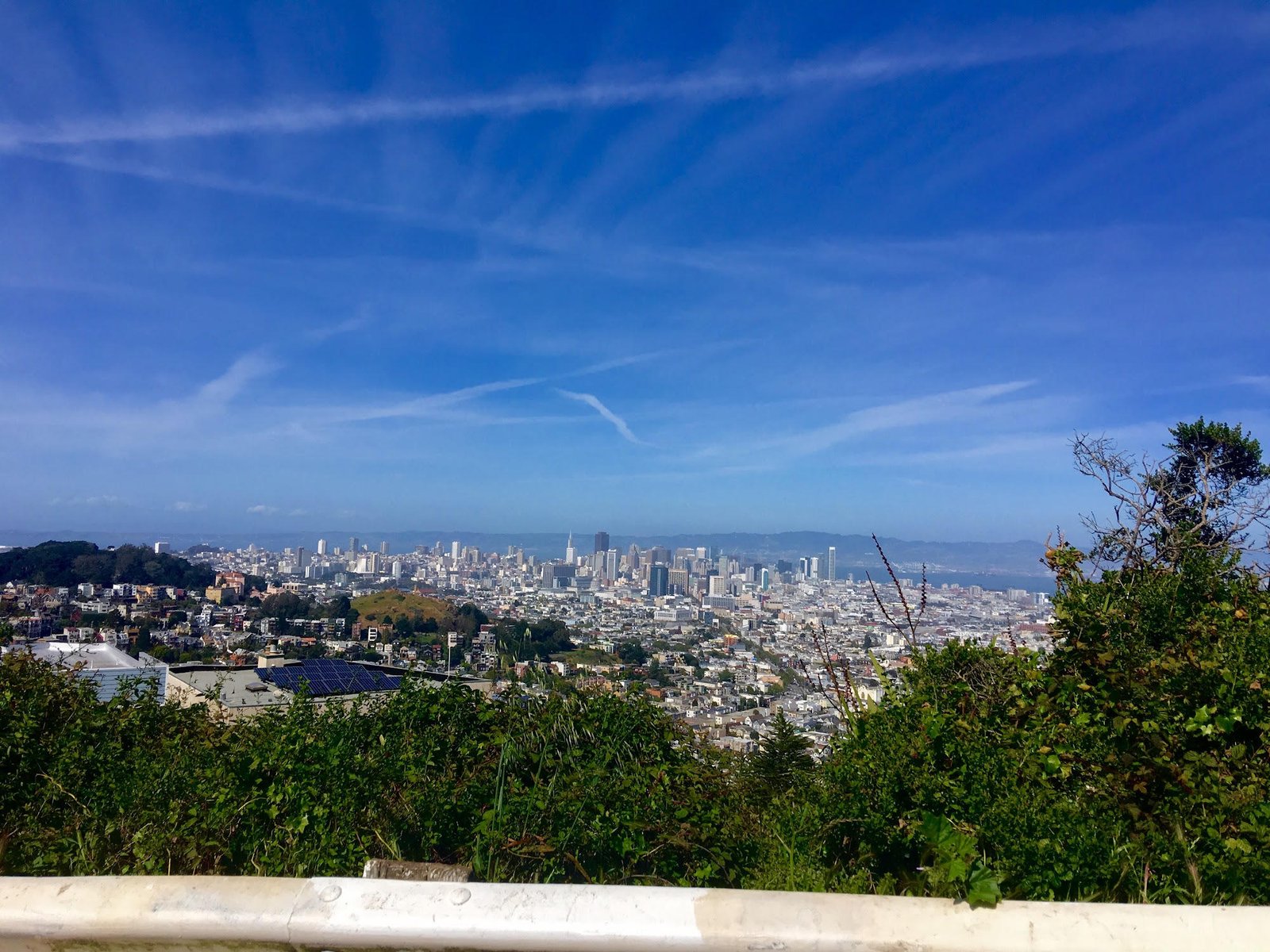
Union Square offers first-time visitors the best base for exploring San Francisco. Where to stay in San Francisco’s central neighborhood provides easy access to cable cars, BART, and major attractions like Chinatown and the Mission District. Free SF Tour starts daily walking tours from Union Square, making it convenient for guests to orient themselves.
Key Takeaways
- Union Square places first-time visitors at the city’s transit and cultural crossroads.
- Hotels around Union Square span every price range and sit one block from the free tour meeting point at Post and Powell.
- Fisherman’s Wharf places families within strolling distance of Pier 39 and Alcatraz ferries.
What is the best area to stay in San Francisco for first-timers?
Union Square stands as the central transit and exploration hub for first-time visitors. The neighborhood offers immediate access to cable car lines, BART stations, and Muni buses that connect travelers to every corner of the city. The best areas for first time visitors to reach major attractions easily are Fisherman’s Wharf, Union Square, and Chinatown. These three neighborhoods cluster near the city’s northeastern edge, placing iconic sights within walking distance or a short ride away.
Union Square hotels anchor the city’s most practical visitor base. The area sits at the intersection of Post and Powell streets, a junction that doubles as the daily starting point for guided walking tours. Free SF Tour’s Official Tour of San Francisco leaves every day at 10:00 AM in English and 10:30 AM in Spanish from the corner of Post and Powell streets, on the north-west side of Union Square; look for the guide with the white-and-red umbrella that says FREE TOUR. A visitor who books a room here wakes up steps from the tour meeting point and the Powell Street cable car turnaround.
The hotel-rich neighborhoods and the city’s trendiest districts form two separate circles. First-timers face a trade-off: stay where the hotels cluster for convenience, or book farther out for local character. Union Square bridges that gap better than any alternative. Its dense hotel inventory puts guests in the center of the action, while the transit connections make exploratory trips to the Mission District or Golden Gate Park straightforward.
Why do first-time visitors choose Union Square over other neighborhoods?
Union Square eliminates the morning scramble that plagues travelers who book in residential districts. The neighborhood’s concentration of hotels means guests walk to their tour departure point in minutes rather than navigating unfamiliar transit before coffee. Because the Official Tour of San Francisco leaves at 10:00 AM, guests who stay on or beside the square can have breakfast, walk over, and still be early.
What makes Fisherman’s Wharf a strong alternative for families?
Fisherman’s Wharf places families within strolling distance of Pier 39, the aquarium, and ferry landings to Alcatraz. The area sacrifices the central transit hub advantage of Union Square but compensates with self-contained entertainment that keeps children engaged without requiring bus rides or train transfers. Hotels here tend toward larger chains with family-sized rooms and waterfront views.

Why choose Union Square hotels for your first visit?
Union Square hotels place first-time visitors at the city’s transit and cultural crossroads. The neighborhood sits at the corner of Post and Powell streets, where cable car lines converge and multiple transit routes connect travelers to every corner of San Francisco. Without this central location, visitors lose hours navigating from distant neighborhoods and miss the spontaneous discoveries that define a memorable trip.
Union Square hotels offer practical advantages that matter for a smooth first visit. Daily walking tours depart from the square every morning at 10 am (and 10:30 am in Spanish), rain or shine, giving newcomers a reliable orientation regardless of weather conditions. The tour concludes at the Embarcadero opposite the Ferry Building, which connects travelers to Sausalito ferries, while Alcatraz ferries depart nearby from Pier 33.
What makes Union Square the best area to stay san francisco first time?
First-time visitors need walkable access to major landmarks and dependable transit. Union Square delivers both. Cable cars stop steps from hotel entrances. The neighborhood’s central position shortens travel time to Chinatown, North Beach, and the Financial District. A Union Square walking tour reveals hidden alleys and architectural details that independent explorers often overlook.
How does Union Square compare to other neighborhoods for accessibility?
The neighborhood’s transit density eliminates the need for rental cars. BART stations sit within walking distance, connecting visitors to the Mission District and beyond. Muni buses and light rail supplement the iconic cable cars, with buses that reach the Golden Gate Bridge, Golden Gate Park and the Presidio.
The honest caveat: the blocks west of the square
Union Square itself is busy, well lit and full of hotel staff, shoppers and visitors until late. The one thing to know is that a few blocks to the west and south-west, past Mason Street and down toward Market Street, the Tenderloin begins. It is not dangerous to walk through by day, but it is not where you want to be at night. Pick a hotel on the square itself or on the blocks toward Chinatown, Nob Hill and the Financial District (east and north), and walk along Geary or Post rather than cutting through the blocks beyond Mason after dark. Our guides start at Post and Powell every morning and this is the advice we give every guest.
How do other neighborhoods compare for first-time visitors?
San Francisco neighborhoods offer distinct experiences for first-time visitors. The best area to stay san francisco first time depends on balancing safety, transit access, and hotel availability. Union Square dominates for convenience, but several alternatives deserve honest comparison.
Nob Hill is quiet and elegant but sits on top of a steep hill, so every walk back to the hotel is a climb. Fisherman’s Wharf is lively by day and dead by night, and it is a long walk or a cable car ride from everything else.
Which neighborhoods have the fewest hotel options?
The Mission District and the Castro offer rich cultural experiences but limited lodging. Neighborhoods with reasonable hotel selections and the city’s coolest districts are essentially two separate categories. The Mission delivers vibrant street art and authentic cuisine, yet visitors face fewer union square hotels alternatives and must plan transit carefully to reach major sights like Fisherman’s Wharf. The Castro presents the same challenge: memorable atmosphere paired with scarce overnight accommodations.
Is Chinatown practical for an overnight stay?
Chinatown sits within walking distance of Union Square and features stunning architecture. Waverly Place, nestled in Chinatown’s heart, showcases painted balconies and deep cultural history. Despite this appeal, Chinatown’s hotel inventory remains limited. Most first-time visitors find better lodging variety by staying near Union Square and exploring Chinatown on foot during the day. A neighborhood guide to San Francisco helps travelers weigh these trade-offs before booking.
The Mission District rewards curious explorers with authentic local culture. Yet that cultural depth comes with a logistical cost. Transit to the Golden Gate Bridge or Alcatraz ferry terminal demands extra planning from Mission-based travelers. First-timers who prioritize walkable sightseeing often find those extra transit steps frustrating rather than adventurous.
Other areas first-timers ask about
North Beach has cafes, Italian restaurants, Coit Tower and is a short walk from Chinatown. It has fewer hotels and is lively at night.
The Marina offers Golden Gate Bridge views and waterfront access, but is far from downtown and the free tour.
Hayes Valley features boutiques and restaurants, making it a good second-visit base.
The Mission and the Castro offer the best afternoons in the city for murals, Dolores Park and 18th Street, but have few hotels and require a Muni or BART ride from downtown.
What should first-timers know about getting around?
First-time visitors benefit most from an orientation that combines walking with public transit knowledge. A guided walking tour provides the essential mental map that makes independent exploration far less daunting.
How long does a typical orientation walk take?
The standard route from Union Square covers 1.8 miles over 2.5 hours. This distance and duration strike a balance between covering key landmarks and maintaining a comfortable pace. The route ends at the Embarcadero opposite the Ferry Building, a transit hub that connects travelers to ferry services for Alcatraz and Sausalito day trips. Guests finish the walk with a clear understanding of the city’s layout and immediate access to their next adventure.
How does the free tour work?
There is no ticket; at the end, guests pay the guide what they think the tour was worth. Reserve a free spot at freesftour.com and arrive 10 to 15 minutes early.
The walk functions as a practical introduction to the city’s core. Guests learn to identify neighborhoods, understand transit connections, and spot landmarks that serve as reference points throughout their stay. Many guided tours follow rigid scripts, but this format prioritizes the local knowledge that turns a disorienting first day into a confident launchpad for the rest of the trip.
Which Union Square hotels work best for your budget?
Union Square hotels span every price tier, from basic rooms to luxury suites. The neighborhood holds the highest concentration of hotels in the city, giving first-time visitors the most choices. Travelers researching where to stay in san francisco find Union Square unmatched for variety. The area serves as the best area to stay san francisco first time because of its central location and transit access.
Budget-conscious guests benefit from the neighborhood’s density. Competition among properties keeps entry-level rates accessible. Mid-range options add comfort without breaking the bank. High-end travelers enjoy flagship properties with full amenities. No other visitor district matches this spread of price points.
What makes Union Square the best neighborhood for first-time visitors?
Union Square, Fisherman’s Wharf, and Chinatown rank as the top areas for first-time visitors to reach major attractions easily. Union Square stands out for its hotel density. Guests step outside and find cable car lines, shopping, and dining within blocks.
How close are Union Square hotels to the free walking tour?
Hotels near Post and Powell streets place guests steps from the daily tour meeting point. Free SF Tour provides daily walking tours that depart from that exact corner. Staying nearby eliminates extra transit time and cost. Visitors walk to the start in minutes, then explore the city with a knowledgeable local guide.
Three free ways to see the city from Union Square
The Official Tour of San Francisco (10:00 AM English, 10:30 AM Spanish) takes about 2.5 hours, covers 1.8 miles (3 km) and is nearly flat: Union Square, Maiden Lane, Chinatown with the Dragon Gate, the Golden Gate Fortune Cookie Factory, Ross Alley and Portsmouth Square, the Transamerica Pyramid, and the Embarcadero opposite the Ferry Building. The Night Tour, From Asia to Europe: Chinatown and Little Italy, leaves daily at 6:00 PM from the Dragon Gate at Grant Avenue and Bush Street, a ten-minute walk from the square; it lasts 2 hours and covers 1.2 miles. The Free E-Bike Tour leaves at 3:00 PM from Fox Plaza: about 4 hours, 15 miles and 18 landmarks including the Golden Gate Bridge, maximum 4 riders, no rental fee. Free SF Tour has run every day since October 2015, has welcomed more than 80,000 guests, and has been voted best free tour in the USA three times. There is no ticket; at the end, guests pay the guide what they think the tour was worth.
FAQ
What is the best area to stay in San Francisco for first-timers?
Union Square, for central transit, hotels in every price range and the free tour meeting point one block away.
Is Union Square safe at night?
The square and the hotel blocks are busy and well lit; avoid the blocks west of Mason Street toward the Tenderloin after dark.
How far is the free tour meeting point from Union Square hotels?
The corner of Post and Powell is on the square itself; most hotels are a few minutes on foot.
Conclusion
Union Square gives first-time visitors the central location, hotel variety, and transit access that make the rest of the trip fall into place. Choosing a hotel there means starting each day steps from the city’s best orientation walk and ending it within easy reach of dinner and cable cars. That combination turns a good trip into a great one.