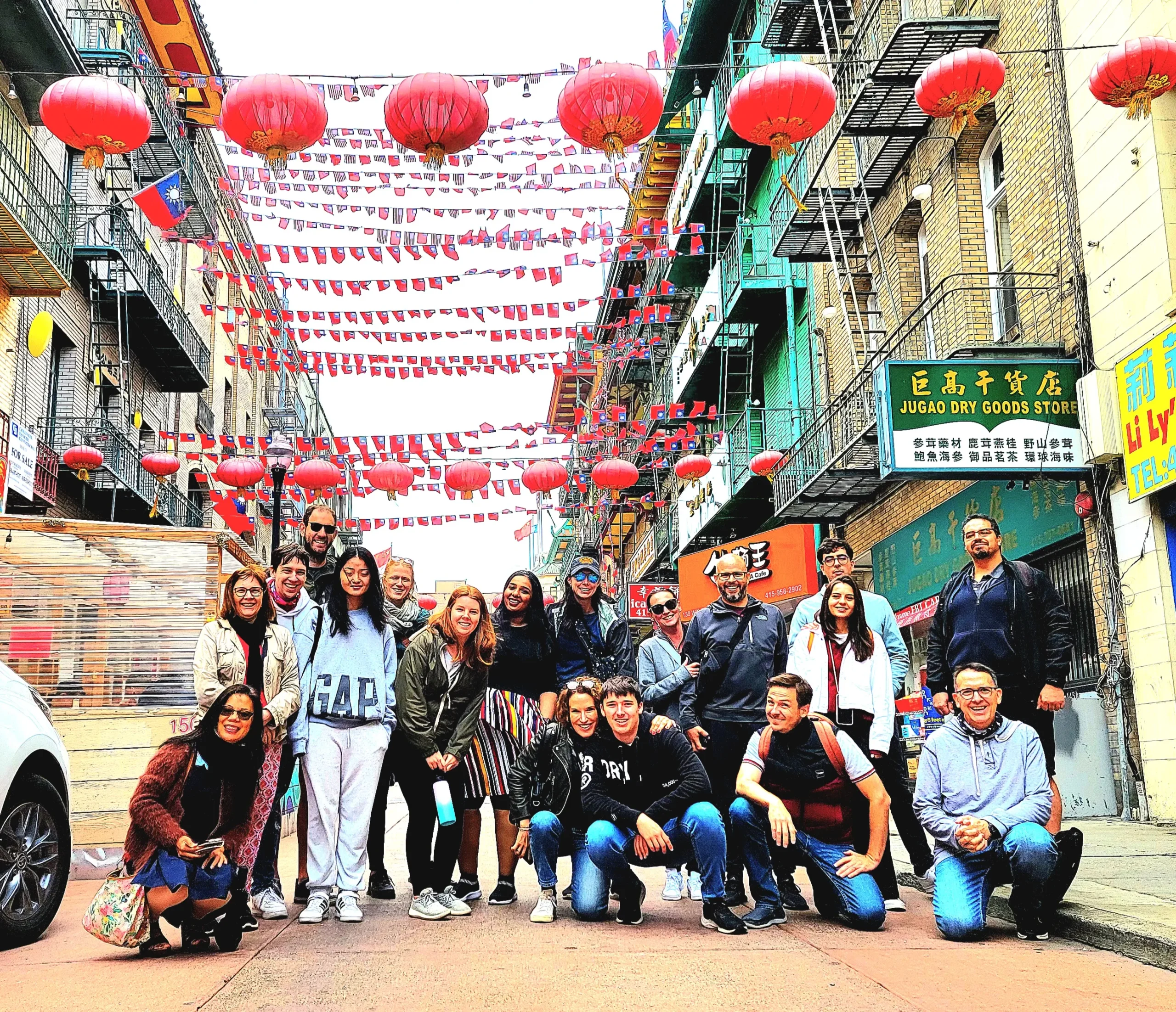
San Francisco’s Chinatown is absolutely worth visiting. As the oldest Chinatown in North America, it offers visitors a rich cultural experience and a chance to explore a vibrant community. Our guides at Free SF Tour walk through it every morning on the Official Tour of San Francisco, which leaves Union Square at 10:00 AM, and again every evening at 6:00 PM on the Night Tour from the Dragon Gate.
Key Takeaways
- Grant Avenue is the souvenir facade.
- The real Chinatown is in Ross Alley, Waverly Place, Stockton Street and Portsmouth Square.
- The morning Free SF Tour walks through all of it from Union Square at 10:00 AM (10:30 AM in Spanish).
- There is no ticket; guests pay the guide what they think the tour was worth.
Is San Francisco Chinatown Worth Visiting?
Yes, if you walk past Grant Avenue into the alleys, Stockton Street and Portsmouth Square. It is the oldest Chinatown in North America and still a living neighborhood where history and culture thrive beyond the typical tourist spots. Travelers who dismiss it as a tourist trap miss the rich community and stories deeply woven into this district.
The neighborhood’s longevity shapes every street corner. Narrow alleys, herbal shops, and family-run bakeries have operated through fire, earthquake, and generations of change. Visitors who scratch past the souvenir storefronts find temples, dim sum counters, and residential enclaves largely invisible to the casual passerby.
What makes the neighborhood more authentic than other tourist districts?
Still a functioning residential and commercial hub, the area operates independently of visitor traffic. Early-morning produce markets and afternoon card games in Portsmouth Square continue regardless of tourism. A guided walk through Chinatown reveals these layers with context a self-guided stroll cannot provide.
How does a guided tour improve the experience?
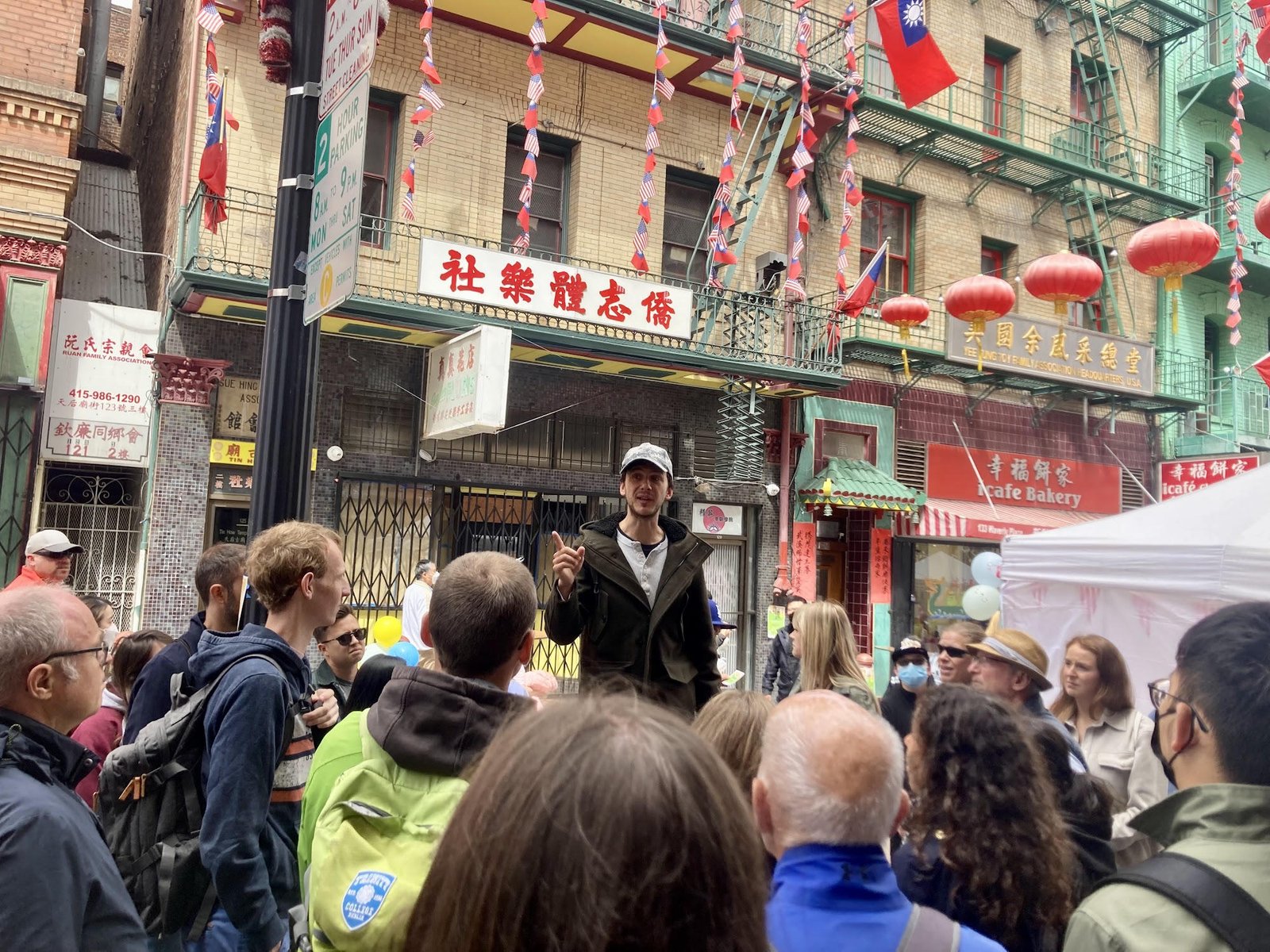
Free SF Tour runs daily walking tours that introduce guests to San Francisco through engaging storytelling and practical orientation. Our guides connect visitors with the lived history of the district. A comprehensive guide to San Francisco Chinatown unpacks the landmarks most travelers walk past without noticing. Topics often include the Dragon Gate, Ross Alley fortune cookie factory, and the backstreets where immigrant histories unfolded. These narratives transform a simple walk into an exploration of the oldest Chinatown in North America. There is no ticket; at the end, guests pay the guide what they think the tour was worth.
What Should You Skip on Grant Avenue?
Grant Avenue serves as Chinatown’s main tourist thoroughfare, lined with souvenir shops and trinket stalls. Visitors seeking an authentic neighborhood experience should walk this street briefly, then detour quickly into the side alleys where local life unfolds. The stretch from the Dragon Gate inward delivers a predictable retail corridor. Skip the generic storefronts and save time for the cultural layers beyond.
Why Does Grant Avenue Feel Like a Tourist Trap?
The answer lies in its design. Grant Avenue was engineered for visitor traffic, not for the daily rhythms of Chinatown residents. Shops stock mass-produced goods rather than the specialty items found on Stockton Street, where locals buy groceries and herbal remedies. A traveler who spends an hour browsing Grant Avenue loses the chance to discover the neighborhood’s working heart just one block away.
What’s Worth a Quick Stop Before You Leave?
Dragon Gate marks the southern entrance at Grant Avenue and Bush Street, welcoming pedestrians arriving from the Union Square area. The gate’s big concrete lions flank the arches on either side, making for a quick photo opportunity. Snap a picture, then move on. The gate takes two minutes to appreciate. The real Chinatown waits behind it, not along the commercial strip that follows.
Our evening walking tour “From Asia to Europe: Chinatown and Little Italy” connects Chinatown and Little Italy, guiding guests away from the souvenir corridor and into the cultural wonders of both neighborhoods. The route bypasses Grant Avenue’s retail monotony in favor of hidden temples, family-run bakeries, and the narrow passageways where history still breathes.
Why Is Ross Alley a Must-See?
Ross Alley stands among the winding back alleys that reward patient exploration in San Francisco’s Chinatown. Visitors who enter through the much-photographed Dragon Gate and take time to wander these narrow passageways discover a side of the neighborhood that Grant Avenue’s storefronts never reveal. Skipping these alleys means missing the layered, lived-in character that defines the district.
The alley’s appeal lies in its contrast with nearby Waverly Place, a vibrant street nestled within the heart of Chinatown. Waverly Place is renowned for its stunning painted balconies and rich cultural history. That street offers visitors a glimpse into the architectural beauty and historical significance of the area. Ross Alley delivers a grittier, more intimate experience, where everyday Chinatown life unfolds away from the main thoroughfares.
What Makes Ross Alley Different From Waverly Place?
The two streets offer complementary perspectives on Chinatown’s character. Waverly Place showcases ornamental facades and painted balconies that photograph beautifully. Ross Alley reveals functional spaces where residents and small workshops carry on daily routines. Travelers who visit only one miss half the story.
How Does Ross Alley Fit Into a Chinatown Walk?
A walking route through Chinatown benefits from including both alley and balcony street. Our evening tour from Chinatown to Little Italy lasts 2 hours and is about 1.2 miles, providing a structured way to encounter these contrasts. Our guides point out details that independent walkers often overlook. The painted balconies of Waverly Place anchor one end of this experience, while Ross Alley anchors the other.
Where Do Locals Actually Spend Time?
San Francisco’s Chinatown rewards visitors who step beyond the main tourist corridor. The neighborhood’s authentic pulse beats strongest in the places where residents shop, eat, and gather daily. Travelers who skip these spots miss the layered cultural experience that makes this Chinatown worth visiting for more than a quick photo stop.
The markets on Stockton Street reveal Chinatown’s working heart. This is the oldest Chinatown in North America, and its produce stalls, herbal shops, and seafood markets serve the community exactly as they have for generations. Sidewalk vendors display unfamiliar vegetables while butchers prepare fresh cuts in open storefronts. The sensory overload of sounds, smells, and hurried Cantonese conversations offers no polished presentation. What visitors gain instead is an unfiltered look at daily life in a neighborhood that resists becoming a museum.
What Makes Portsmouth Square a Local Gathering Spot?
Portsmouth Square functions as Chinatown’s living room. Elderly residents gather here each morning for tai chi, mahjong games, and spirited conversation. Our guides stop in Portsmouth Square so guests can watch this rhythm for themselves. The square sits atop an underground parking garage, yet its benches and shaded corners host a continuous social ritual that tourists rarely witness.
Ross Alley represents one of the most authentic corners: a narrow passageway unchanged for decades. The Golden Gate Fortune Cookie Factory operates here, producing cookies by hand on machines that predate most visitors. The alley’s worn walls and persistent aroma of vanilla and almond paste tell a story no storefront on Grant Avenue can replicate. To truly understand Chinatown beyond the obvious landmarks means finding these tucked-away spaces where the neighborhood’s past remains stubbornly present.
How to see the real Chinatown in one morning
Our Official Tour of San Francisco runs daily at 10:00 AM in English and 10:30 AM in Spanish. The meeting point is the corner of Post and Powell streets on the north-west side of Union Square. Look for the guide holding a white-and-red umbrella that says FREE TOUR. The tour lasts about 2.5 hours, covers 1.8 miles (3 km) and the terrain is nearly flat. Along the way, we visit the Dragon Gate at Grant and Bush, then take a short walk up Grant Avenue before venturing into Ross Alley and the Golden Gate Fortune Cookie Factory. We stop at Portsmouth Square where locals gather to play cards and practice tai chi. The tour continues onward to the Transamerica Pyramid and ends at the Embarcadero opposite the Ferry Building. There is no ticket; at the end, guests pay the guide what they think the tour was worth.
Our Night Tour, “From Asia to Europe: Chinatown and Little Italy,” begins daily at 6:00 PM from the Dragon Gate, lasts 2 hours, and covers about 1.2 miles. We also offer the Free E-Bike Tour daily at 3:00 PM from Fox Plaza, lasting about 4 hours and covering 15 miles with 18 landmarks including the Golden Gate Bridge. The E-Bike Tour has a maximum of 4 riders and has no rental fee.
Free SF Tour has run daily since October 2015, has welcomed more than 80,000 guests, and has been voted best free tour in the USA three times.
FAQ
Is San Francisco Chinatown worth visiting?
Yes, especially if you walk past Grant Avenue into the alleys, Stockton Street and Portsmouth Square. It is the oldest Chinatown in North America and remains a living neighborhood.
Does the free tour go through Chinatown?
Yes, the Official Tour of San Francisco passes through Chinatown daily at 10:00 AM in English and 10:30 AM in Spanish. It meets at Post and Powell and includes stops at the Dragon Gate, Ross Alley, the Golden Gate Fortune Cookie Factory, and Portsmouth Square.
Conclusion
San Francisco’s Chinatown is best appreciated by stepping beyond Grant Avenue into the alleys, markets and Portsmouth Square to experience the neighborhood’s authentic culture and history. Join us at Post and Powell at 10:00 AM and explore the real Chinatown with our knowledgeable guides.