After the morning tour ends at the Embarcadero around 12:30 PM, Chinatown is just a short walk away. This guide helps you understand what to look for and how to enjoy eating like a local in this vibrant neighborhood.
Key Takeaways
- Locals bypass tourist-heavy storefronts and head straight for simple Cantonese kitchens on Stockton Street.
- Dim sum parlors featuring items like chicken feet and tripe on carts cook primarily for the neighborhood rather than visitors.
- A steady flow of local families and Cantonese-speaking customers during peak lunch hours indicates authenticity.
- Restaurants serving unique Bay Area dishes like hung tao yee fu won ton prioritize craftsmanship over mass appeal.
Where do locals eat in Chinatown San Francisco?
Locals avoid tourist-heavy storefronts and go to straightforward Cantonese kitchens. Chinatown is a living, breathing neighborhood with excellent restaurants. Missing the insider spots means settling for a diluted experience that overlooks the neighborhood’s true culinary richness.
Residents prioritize where to eat in Chinatown by following three simple rules: avoid menus with glossy photos, look for busy tables even at off-peak times, and order what neighboring tables are enjoying.
What makes a Chinatown restaurant a local favorite?
A local favorite usually does not advertise. It seats multi-generational families on weekend mornings. Menus change with the seasons. Regulars know the staff by name and staff remember their orders without asking.
Where should visitors start looking for an authentic Chinatown lunch?
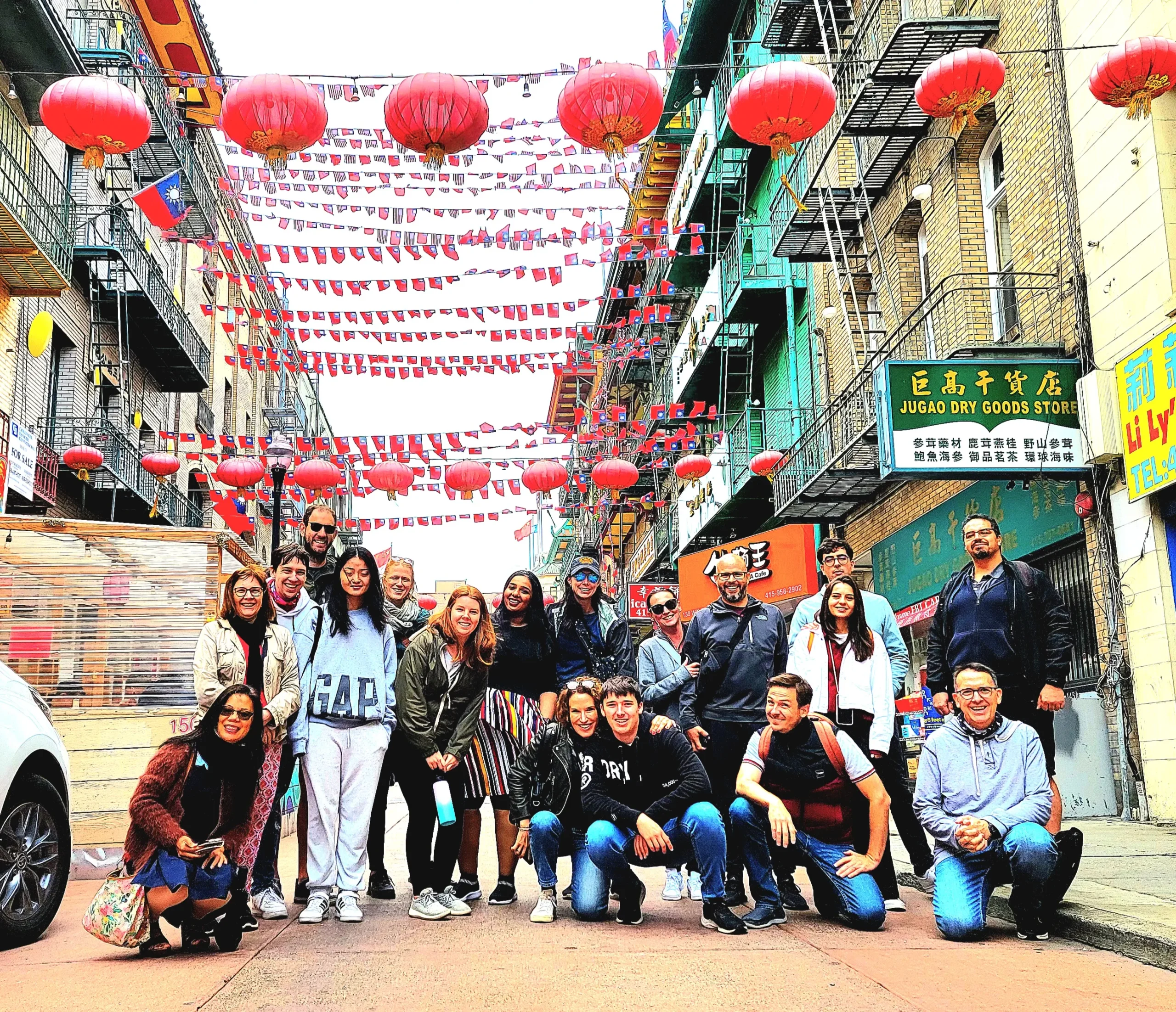
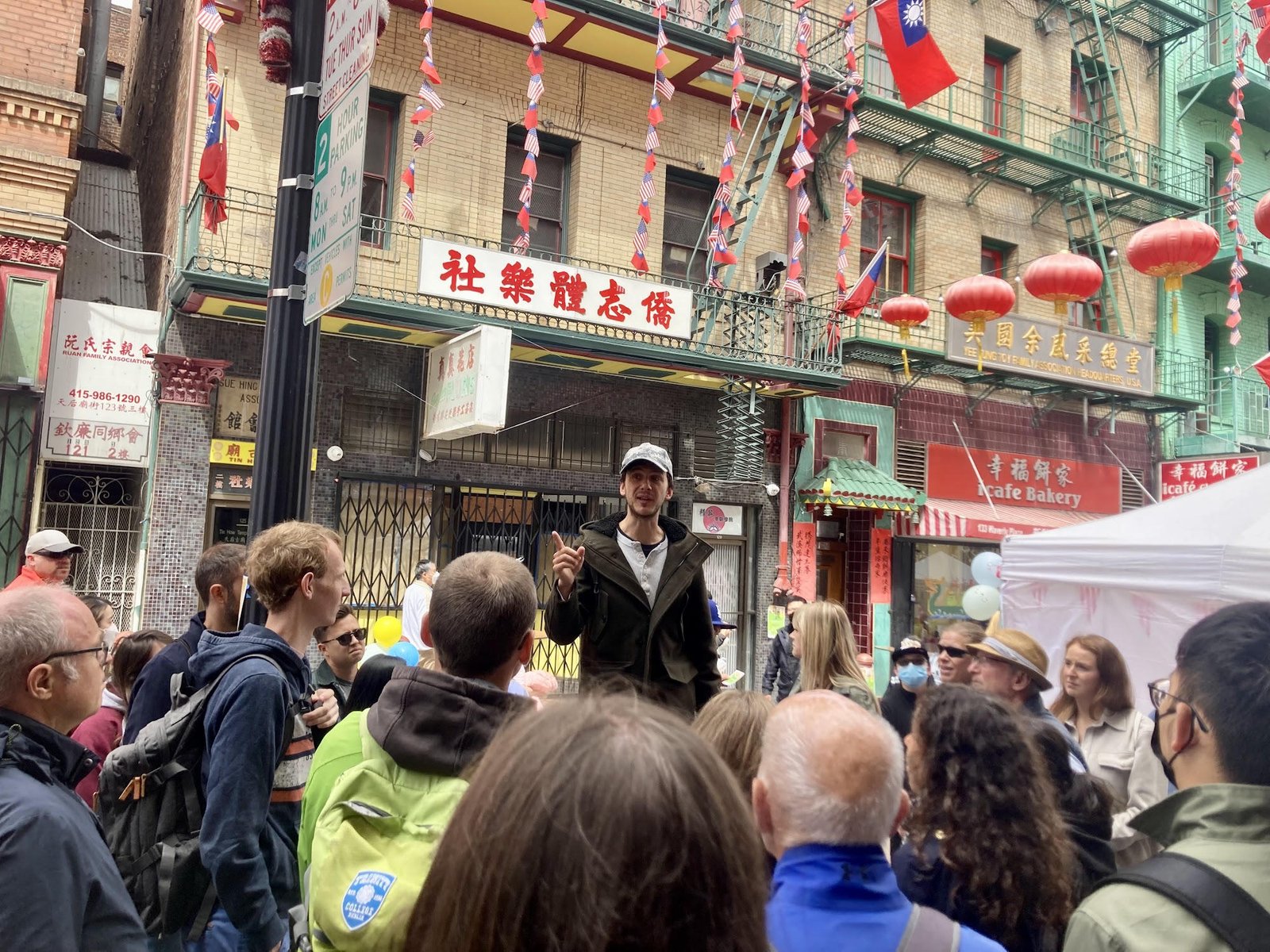
The best place to start searching for Chinatown lunch is Stockton Street, not Grant Avenue. The produce markets and herbal shops here serve the community’s daily needs, and restaurants nearby cater to those residents. Walking from the Dragon Gate through these working blocks reveals Chinatown beyond just a postcard image. Free SF Tour’s walking tours run daily year-round, and many guests use a morning tour as orientation before exploring Chinatown’s side streets for a midday meal.
What dishes signal an authentic Cantonese kitchen?
Authentic kitchens offer congee at breakfast, whole steamed fish at dinner, and dim sum carts rolling until mid-afternoon. Look for har gow with translucent wrappers and siu mai packed tightly with pork and shrimp. The presence of chicken feet and tripe on dim sum carts signals a kitchen cooking for local customers. These dishes require technical skill and spoil quickly, so restaurants only serve them when confident the regular crowd will consume every basket.
What makes dim sum a local favorite?
Dim sum transforms a meal into a shared social ritual centered on small, bite-sized dishes served alongside tea at a roundtable, where family and friends connect over food. This format encourages conversation and variety, allowing diners to sample multiple plates rather than choosing a single entrée.
The meal rewards exploration. Steamed baskets of har gow and siu mai arrive alongside pan-fried turnip cakes and fluffy barbecue pork buns. Tea service cleanses the palate between bites. Dim sum consists of small, bite-sized dishes typically served with tea in a restaurant.
Why has dim sum become so accessible in San Francisco?
San Francisco’s Chinatown houses many dim sum parlors and bakeries. Many now offer takeaway options, making the meal practical for visitors on tight schedules. Travelers finishing a morning walking tour can grab a quick Chinatown lunch without sacrificing authenticity.
How does dim sum connect to the neighborhood’s cultural heritage?
The best dim sum experiences reflect Chinatown’s living history. Free SF Tour’s “From Asia to Europe: Chinatown and Little Italy” evening tour explores Asian and European heritage, connecting cultural wonders of both neighborhoods. Dim sum parlors preserve culinary traditions passed down through generations. The food tells a story of immigration, adaptation, and community resilience.
How to spot the best dim sum Chinatown San Francisco?
Finding the best dim sum requires looking beyond tourist crowds. A reliable sign is a steady stream of local families and Cantonese-speaking patrons filling tables during peak lunch hours. A restaurant with a line of residents waiting signals freshness and authenticity that no online review can match.
The menu reveals much about a dim sum house. Seek out places offering regional specialties rarely found outside the Bay Area. For example, hung tao yee fu won ton is a crispy fried wonton served in a savory egg-white soup with cilantro and char siu pork; such dishes show a kitchen committed to local culinary heritage. Restaurants serving distinctive items prioritize craft over mass appeal.
What visual cues indicate a high-quality dim sum kitchen?
Steam rising from bamboo baskets and carts moving swiftly through the dining room show rapid turnover. Dim sum loses its texture quickly. A busy kitchen continually replenishing items ensures each plate arrives at peak quality. Look for translucent dumpling skins and vibrant shrimp colors, signs of proper steaming technique and fresh ingredients.
How does the neighborhood context help identify authentic spots?
The surrounding streets offer clues about a restaurant’s standing. Waverly Place is a vibrant street in Chinatown known for painted balconies and rich cultural history. Establishments along such alleys often serve multigenerational clientele who have dined there long-term. These venues survive on reputation, not foot traffic.
A final test is scanning tables for dishes requiring technical skill. Roast duck specialists bring iconic dishes to new heights, and bakeries known for egg tarts have restored this classic pastry. When a kitchen excels at both savory classics and delicate pastries, its dim sum program likely receives the same meticulous care.
Where to eat Chinatown San Francisco for lunch?
The best dim sum restaurants and other eateries in Chinatown reflect the neighborhood’s living culture. Deciding where to eat for a midday meal means choosing between steamed dumpling counters, noodle shops, bakeries, and roast meat specialists. Chinatown lunch options reward visitors who explore beyond the obvious storefronts.
The neighborhood remains a vibrant cultural center full of excellent restaurants. Walking Grant Avenue passes banquet halls and tiny bakeries that define the daytime dining scene.
What makes a Chinatown lunch authentic?
An authentic midday meal depends on the kitchen’s specialty. Dim sum parlors provide rolling carts of bite-sized plates. Noodle shops offer hand-pulled noodles with wok-fried sauces.
Roast meat hangs in street-facing windows at several Grant Avenue spots. Duck, char siu, and crispy pork offer flavorful, quick lunches for visitors who need a fast turnaround.
Which places suit a group or a family?
Larger dim sum halls have round tables and shareable platters, making them well-suited for groups and families. Portsmouth Square, the park in the middle of Chinatown, is a good place to rest after lunch.
How do visitors combine lunch with a walking route?
The morning Official Tour of San Francisco walks through Chinatown—starting at the Dragon Gate, visiting the Golden Gate Fortune Cookie Factory in Ross Alley, and Portsmouth Square—then continues past the Transamerica Pyramid to end at the Embarcadero opposite the Ferry Building at about 12:30 PM. From there, guests have two easy lunch options: walk about 15 minutes back into Chinatown along Clay or Washington streets to the dim sum parlors, bakeries, noodle shops, and roast meat counters around Stockton Street and the alleys; or cross the street to the Ferry Building Marketplace for a quicker lunch at the food stalls. An evening option is the “From Asia to Europe: Chinatown and Little Italy” Night Tour, which runs daily starting at 6:00 PM at the Dragon Gate on Grant Avenue and Bush Street, lasts about two hours, covers 1.2 miles, and walks from Chinatown into North Beach.
The morning tour that gets you there
The Official Tour of San Francisco runs daily at 10:00 AM in English and 10:30 AM in Spanish. It meets at the corner of Post and Powell streets on the northwest side of Union Square, where the guide holds a white and red umbrella saying FREE TOUR. The tour lasts about 2.5 hours, covers 1.8 miles (3 km), and is nearly flat. The route goes through Union Square, Maiden Lane, Chinatown (including the Dragon Gate, Golden Gate Fortune Cookie Factory, Ross Alley, Portsmouth Square), the Transamerica Pyramid, and ends at the Embarcadero opposite the Ferry Building. Guests should arrive 10 to 15 minutes early and reserve a free spot at freesftour.com. There is no ticket; at the end, guests pay the guide what they think the tour was worth. The tour has run daily since October 2015, welcoming more than 80,000 guests and voted best free tour in the USA three times. Also available is the 3:00 PM Free E-Bike Tour from Fox Plaza: about 4 hours, 15 miles, visiting 18 landmarks including the Golden Gate Bridge, with a maximum of four riders and no rental fee.
What should visitors know about Chinatown lunch etiquette?
Chinatown lunch etiquette centers on sharing, pacing, and respecting the rhythm of a working neighborhood. Dim sum is a traditional meal shared with family or friends around a roundtable. Small, bite-sized dishes arrive continuously, so diners should order gradually rather than all at once.
The best dim sum experience rewards patience. Tables turn quickly during the midday rush. Servers expect decisive ordering. Tea cups stay filled by whoever sits nearest the pot, a small gesture signaling attentiveness to the group.
How does dim sum ordering work?
Customers may order dim sum by either selecting dishes from rolling carts pushed around by servers or by marking desired items on a paper checklist. Each dish is recorded by the server by stamping or marking a card or ticket. Tea usually arrives first to start the meal, cleansing the palate. At the end, the bill is tallied based on the marked card or stamps, streamlining payment.
Is dim sum meant to be shared?
Yes. Dim sum consists of small, bite-sized dishes typically served with tea in a restaurant. The roundtable format encourages sharing plates and sampling a broad variety of dishes. Ordering individual entrees misses the communal structure that defines the meal.
What makes a Chinatown lunch feel authentic?
The camaraderie built over a meal strengthens trust and relationships. Locals favor basement-level spots with no street-facing windows where the food, not decor, carries the experience. Visitors deciding where to eat in Chinatown should follow the crowd of regulars rather than flashy signage.
A practical Chinatown lunch strategy is to have the meal right after the morning walking tour. The Official Tour of San Francisco leaves Post and Powell at Union Square daily at 10:00 AM in English and 10:30 AM in Spanish, walks through Chinatown and ends at the Embarcadero, a short walk from many lunch counters. The cultural context from the tour makes menu choices clearer.
Cash remains common at older dim sum parlors; diners should confirm before ordering. Shared tables are normal during peak hours, and joining strangers at a roundtable follows local custom.
FAQ
Where do locals eat in Chinatown San Francisco?
Locals bypass tourist-heavy storefronts and head straight for simple Cantonese kitchens on Stockton Street or visit roast duck specialists for authentic flavors.
What dishes signal an authentic Cantonese kitchen?
Dishes like congee, steamed whole fish, and dim sum cart staples such as chicken feet and tripe signal an authentic kitchen. A smart Chinatown lunch search begins on Stockton Street, not Grant Avenue, where restaurants cater to residents amid produce markets and herbal shops.
Conclusion
Locals choose Stockton Street over tourist-heavy Grant Avenue, favoring simple Cantonese kitchens where chicken feet and tripe on dim sum carts indicate a neighborhood clientele. Following regular customers into basement-level spots without street-facing windows ensures the food takes center stage. This approach turns a midday meal into an authentic taste of Chinatown’s living culture. Visitors are encouraged to join the 10:00 AM Official Tour of San Francisco at Post and Powell to start their journey.