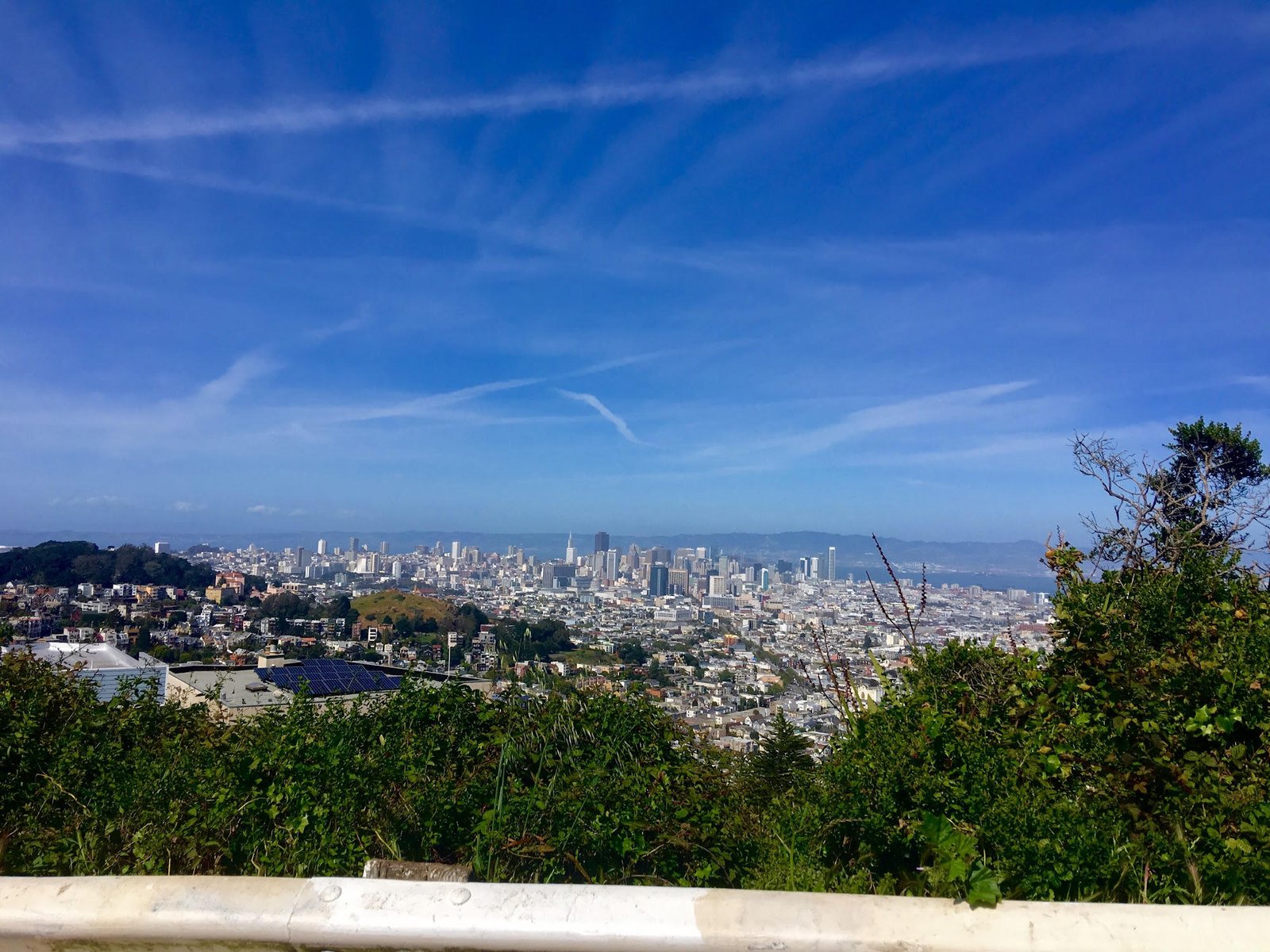
September through November offers San Francisco’s best weather, with warm temperatures and fewer crowds than summer. Spring provides mild conditions with less rain than other California regions. Free SF Tour’s free walking tour of San Francisco operates daily, rain or shine, making any season suitable for exploring the city’s neighborhoods.
Key Takeaways
- Fall delivers San Francisco’s warmest temperatures of the year alongside thinner crowds.
- October claims the top spot as the best month to visit, followed closely by September.
- Summer brings chilly fog and peak tourism, while autumn arrives with clear skies and genuine warmth.
- Spring provides mild temperatures and reduced rainfall, making April and May pleasant alternatives.
- Free SF Tour’s walking tours run daily year-round from Union Square; most guests give the guide $15–$20 per person.
What is the best time to visit San Francisco?
The best time to visit San Francisco falls between September and November. Fall delivers the city’s warmest temperatures of the year alongside thinner crowds. Travelers who choose these months avoid the packed sidewalks and foggy mornings that define summer, gaining easier access to landmarks and neighborhoods.
Why is fall considered the ideal season?
San Francisco’s climate defies typical seasonal logic. The period from September through November offers some of the city’s warmest temperatures year-round, not to mention fewer crowds than summer. This combination creates a rare window where visitors enjoy comfortable exploration without long queues at popular sites.
Spring provides a secondary opportunity. Mild temperatures and reduced rainfall make April and May pleasant alternatives. However, fall remains the standout choice for travelers prioritizing warmth and breathing room.
Which specific month is best?
Ask any of our guides and October comes out on top, with September a close second. These two months anchor the prime visiting window. Early fall delivers the most consistent conditions before November introduces cooler evenings and a slight uptick in precipitation.
How does weather vary across the year?
Understanding San Francisco weather by month helps travelers avoid disappointment. Summer months, particularly June and July, often bring persistent fog and temperatures that stay cool. Winter runs cool and wet from December through February. Spring warms gradually, but fall stands alone as the season where warmth and dryness converge. The city’s microclimates mean neighborhoods can differ noticeably on the same afternoon, so layered clothing remains essential regardless of the calendar. A detailed breakdown of September conditions and packing strategies appears in the company’s guide to San Francisco weather in September.
When should budget-conscious travelers visit?
Deciding when to visit San Francisco involves weighing cost against comfort. Fall delivers lower hotel rates than summer’s peak pricing. The post-Labor Day drop in demand creates value for travelers who prioritize both experience and budget. Winter offers the lowest prices of the year, but rain and cold temperatures limit outdoor exploration. Spring sits in the middle, with moderate costs and improving weather. Fall wins for travelers seeking the strongest balance of favorable conditions and reasonable accommodation costs.
Free SF Tour operates guided walking tours in English and Spanish every day, rain or shine. The Official Tour of San Francisco meets at the corner of Post and Powell streets on the north-west side of Union Square, where the guide holds a white-and-red umbrella that says FREE TOUR; about 2.5 hours and 1.8 miles (3 km), nearly flat; route through Union Square, Maiden Lane, Chinatown and past the Transamerica Pyramid, ending at the Embarcadero opposite the Ferry Building; visitors should arrive 10–15 minutes early and reserve a free spot at freesftour.com. There is no fixed price. Guests pay the guide at the end what they think the tour was worth; most give $15–$20 per person, more if inspired. Comparable paid tours typically cost $40–$70.
How does San Francisco weather vary by month?
San Francisco weather shifts dramatically across the calendar, defying the predictable seasonal patterns visitors expect from California. The city’s best time to visit San Francisco stretches from September through November, when warm, dry conditions prevail and summer crowds thin out. Averages and statistics tell part of the story. The city’s climate carries peculiarities shaped by decades of local conditions that raw numbers never fully capture.
Spring delivers mild temperatures and noticeably less rain compared to other parts of California. This makes March through May a practical window for travelers who want comfortable walking weather without the peak-season congestion. The San Francisco weather by month pattern reveals spring as a transitional period where fog begins retreating and outdoor exploration becomes reliably pleasant.
Summer brings a paradox. The Golden Gate City witnesses a surge in tourism as people head west in search of sun, sand, and surf. Yet the fluctuating climate can quickly trounce a day at the beach, with fog banks rolling in unexpectedly and temperatures dropping fast. Visitors arriving in July or August often pack shorts and find themselves buying sweatshirts by afternoon.
What are the best months for outdoor activities in San Francisco?
May through June and late August through September offer prime conditions for outdoor lovers. These windows combine manageable crowds with the stable weather needed for hiking, biking, and neighborhood wandering. Travelers deciding when to visit San Francisco for active itineraries should target these shoulder periods.
Is winter a good time to visit San Francisco on a budget?
Winter draws bargain-hunters with the promise of lower hotel rates and fewer people. Chilly temperatures demand layers, but the trade-off includes shorter lines at attractions and a more local feel across neighborhoods. The months from December through February reward those willing to bundle up with significant savings and uncrowded streets.
Why is fall the secret summer for visitors?
Fall delivers San Francisco’s warmest, driest weather of the year. The best time to visit San Francisco lands squarely in autumn, when clear skies and comfortable temperatures replace the foggy chill that dominates other seasons. Travelers who wait for summer miss the city’s true golden window.
The shift in San Francisco weather by month reveals a surprising pattern. September and October bring the highest average temperatures, often genuinely warm, while June and July frequently sit under a gray marine layer. This seasonal reversal catches many first-time visitors off guard. They pack shorts for July and shiver through a chilly, gray afternoon. Fall visitors arrive to sunshine and open-air dining.
What makes fall weather different from summer in San Francisco?
Summer brings persistent fog and cool winds off the Pacific. Fall sees that marine layer retreat, replaced by offshore breezes that warm the city. The result is a stretch of reliably pleasant days from September through November.
Crowds thin out considerably after Labor Day. Summer tourists depart, and hotel rates drop from their August peaks. Attractions that required long waits in July become accessible without the crush. The when to visit San Francisco question has a clear answer for travelers who value both good weather and manageable crowds.
What outdoor activities work best during fall?
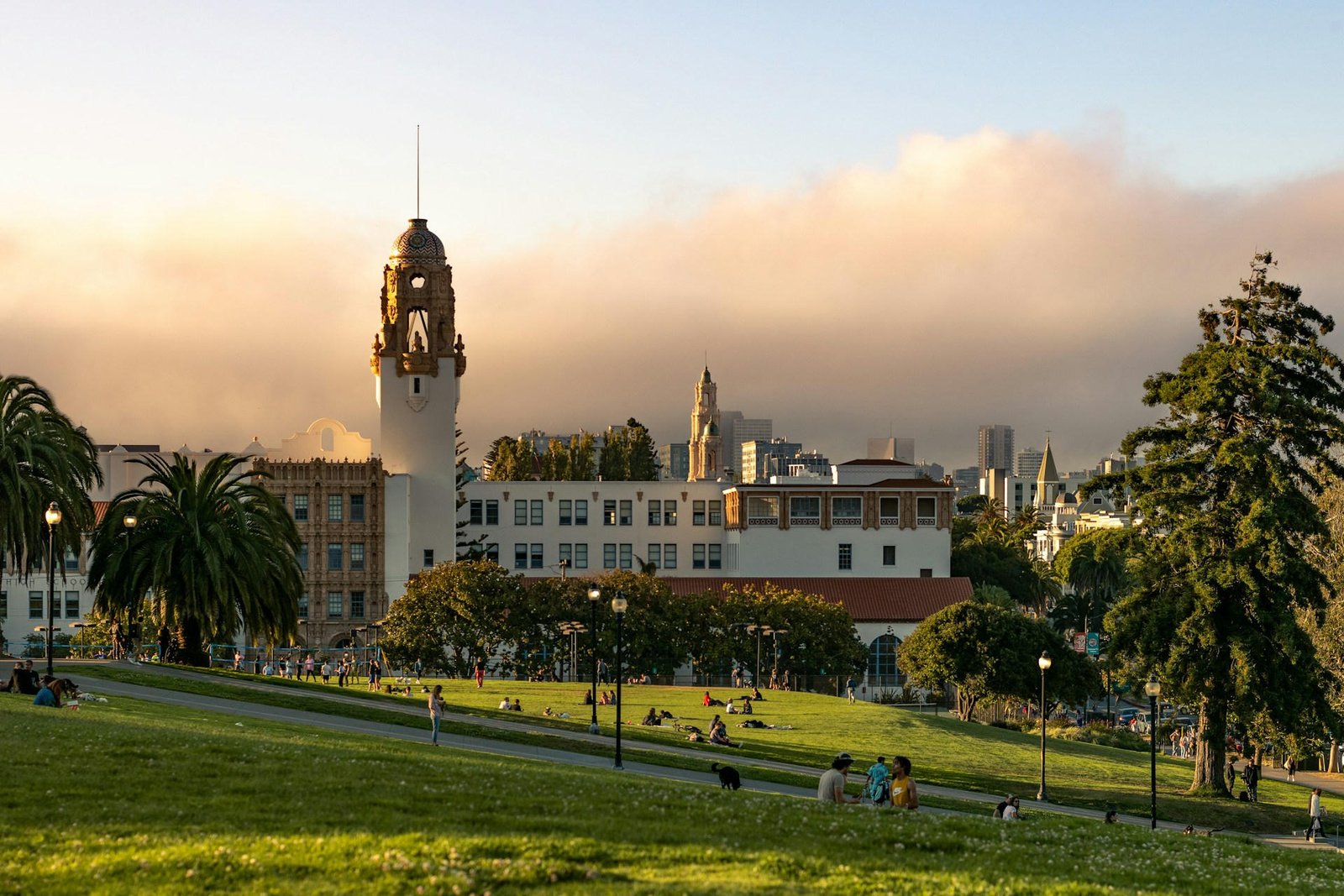
Golden Gate Park is enormous and becomes a fall playground. The Japanese Tea Garden offers tranquil ponds and meticulously manicured landscapes that glow in autumn light. Biking paths, lakes, and even a bison paddock fill the park’s vast footprint. Visitors can explore outdoor activities across San Francisco without summer’s heavy foot traffic.
Neighborhood festivals and street fairs pack the fall calendar. Outdoor markets, art walks, and food events thrive in the dry, warm conditions. The city’s hills and waterfront trails stay inviting well into November.
What should you pack for San Francisco’s climate?
Packing for San Francisco demands a strategy built around layers. The city’s San Francisco weather by month shifts dramatically within a single day. Visitors who arrive unprepared risk cutting short a beach afternoon or shivering through a foggy evening walk. The fluctuating climate can quickly trounce a day at the beach, making flexible clothing essential rather than optional.
San Francisco weather by month stays cool year-round, but microclimates vary by neighborhood. A sunny Mission District afternoon often gives way to a windy Castro evening just two miles away. Travelers exploring these areas on foot discover local favorites often overlooked by tourists, and comfortable footwear becomes the difference between an enjoyable stroll and a painful trudge.
What layers work best for San Francisco’s variable weather?
A lightweight base layer, a warm mid-layer like a fleece or sweater, and a windproof outer jacket handle most conditions. Winter visitors need extra protection. Travelers in winter should protect themselves from chilly temperatures with plenty of layers. Even summer evenings call for a jacket when the fog rolls in.
Do walking tours still operate in bad weather?
Free SF Tour’s walking tours run every day of the year, rain or shine, at 10:00 AM in English and 10:30 AM in Spanish. Dressing in layers helps visitors stay comfortable throughout the experience, whether the morning starts with drizzle or the afternoon brings unexpected sunshine. A compact umbrella and a waterproof shell keep the experience pleasant without weighing down a daypack.
How do you match your trip to the right season?
Matching a San Francisco trip to the right season depends on traveler priorities. The best time to visit San Francisco shifts with personal goals, from outdoor adventure to budget savings. A visitor who misunderstands the city’s microclimates risks packing wrong and missing the experiences that define a great stay.
What season works best for outdoor exploration?
Outdoor lovers find ideal conditions from May through June and again from late August into September. These windows deliver the dry, mild weather that makes hiking, biking, and walking tours genuinely enjoyable. Missing this narrow band means contending with fog that swallows bridge views or wind that turns a coastal walk into an endurance test.
When do budget-conscious travelers get the most value?
Winter draws bargain-hunters with lower hotel rates and thinner crowds. The trade-off is a chillier temperature that demands proper layers. Travelers who skip winter for peak summer pay premium prices and navigate packed attractions, losing both money and breathing room.
Golden Gate Park is worth a self-guided morning in any season: the waterfalls and pagoda on Strawberry Hill, the bison paddock, the windmills by the ocean and the AIDS Memorial Grove. A night tour called “From Asia to Europe: Chinatown and Little Italy” runs daily at 6:00 PM, starting at the Dragon Gate (Grant Avenue and Bush Street); it lasts about 2 hours and covers 1.2 miles. The Free E-Bike Tour departs at 3:00 PM from Fox Plaza, lasting about 4 hours and covering roughly 15 miles with 18 landmarks including the Golden Gate Bridge; it accommodates up to 4 riders and has no rental fee.
What about San Francisco’s July weather quirks?
July in San Francisco defies California stereotypes. Fog and cool temperatures dominate the month, catching first-time visitors off guard. Packing only shorts and t-shirts guarantees discomfort when afternoon winds whip across the bay.
FAQ
What is the best time of year to visit San Francisco?
September through November offers San Francisco’s best weather, with warm temperatures and fewer crowds than summer.
Which specific month is best to visit?
October claims the top spot as the best month to visit, followed closely by September.
When should budget-conscious travelers visit?
Fall delivers lower hotel rates than summer’s peak pricing, with the post-Labor Day drop in demand creating value.
Conclusion
September through November delivers the combination that makes a San Francisco trip work: warm, clear days, thinner crowds, and lower rates than summer demands. Travelers who time their visit to fall skip the fog and the peak-season hassle, leaving them free to explore neighborhoods, parks, and waterfront trails without fighting for space or shivering through the afternoon.